Skip to content
INTEGRATED ANNUAL REPORT 2025

Our Human Focus

What we do, every day, to create impact

Image
WE ATTRACT
  • Purpose

  • Employer Value Proposition "This Is Our Impact"

  • Talent pipeline

Image
WE DEVELOP
  • Learning

  • Leadership

  • Capabilities

Image
WE EMPOWER
  • Participation

  • Recognition

  • Culture

Image
WE PROTECT
  • Inclusion

  • Wellbeing

  • Safety

Image
WE TRANSFORM
  • Innovation

  • Future-ready organization

  • Drive change

Image
WE CREATE VALUE
  • People

  • Communities

  • Business

  • Long-term resilience

United by purpose. Driven by people. Creating impact together.

At Enerjisa Üretim, we view human capital as a strategic source of value creation and a critical enabler of operational continuity, transformation and long-term resilience. In a sector shaped by decarbonization, digitalization and increasing operational complexity, our ability to attract, develop, engage and protect our people directly influences how effectively we execute our strategy, adapt to change and sustain performance over time. Grounded in our Employer Value Proposition, “This Is Our Impact”, our people and culture strategy is designed as a core enabler of our strategic priorities and the successful execution of our business model.

Our approach to people and culture is also supported by governance mechanisms that strengthen oversight, clarify accountability and enable more structured monitoring of progress across priority areas such as capability development, engagement, diversity, wellbeing and safety. By increasingly integrating people-related indicators into management processes, we seek to ensure that human capital priorities are not managed in isolation, but as part of broader strategic execution, transformation readiness and organizational resilience.

Our People and Culture strategy is built on a human-centered, capability-driven and purpose-led model that integrates leadership and employee development, collaboration, accountability, inclusion, safety, wellbeing and continuous learning. We define high performance not only through operational and financial results, but through the sustainable ability of our people and teams to deliver impact together in ways that strengthen participation, accountability and continuous improvement.

Image

We are committed to enabling our employees to reach their full potential by creating the conditions for continuous development, meaningful contribution and long-term growth. Guided by our Employer Value Proposition, “This Is Our Impact”, all employees at Enerjisa Üretim work together to create sustainable value, united by a shared purpose and a strong belief in transforming the future.

HOW DO WE DEFINE HIGH PERFORMANCE?

Three pillars that drive a high-performance organization

Human-Centered
  • Inclusion

  • Wellbeing

  • OHS Always

  • Psychological safety

  • Employee experience

Capability-Driven
  • Technical capabilities

  • Digital & data capabilities

  • Leadership maturity

  • Cross-functional collaboration

  • Continuous learning

Purpose-Led
  • "This Is Our Impact"

  • Shared purpose

  • Reaching full potential

  • Driving change

  • Long-term value creation

HIGH-PERFORMANCE ORGANIZATION
  • People and teams delivering impact through participation and continuous improvement.

We build a high-performance, future-ready organization by aligning individual contributions with our strategy through Objectives and Key Results (OKRs), structured performance cycles and transparent calibration processes. At the same time, we continuously invest in capability development through the Enerjisa Üretim Academy, leadership programs, digital learning platforms, technical training, SES Fest, SES Tour and advanced development journeys such as Power MBA, Combine and Energy Case Lab. These programs strengthen technical depth, digital and data capabilities, leadership maturity and cross-functional collaboration, enabling employees and leaders to adapt to the evolving needs of the energy transition. Our approach to development goes beyond technical expertise to also strengthen strategic thinking, collaboration and leadership.

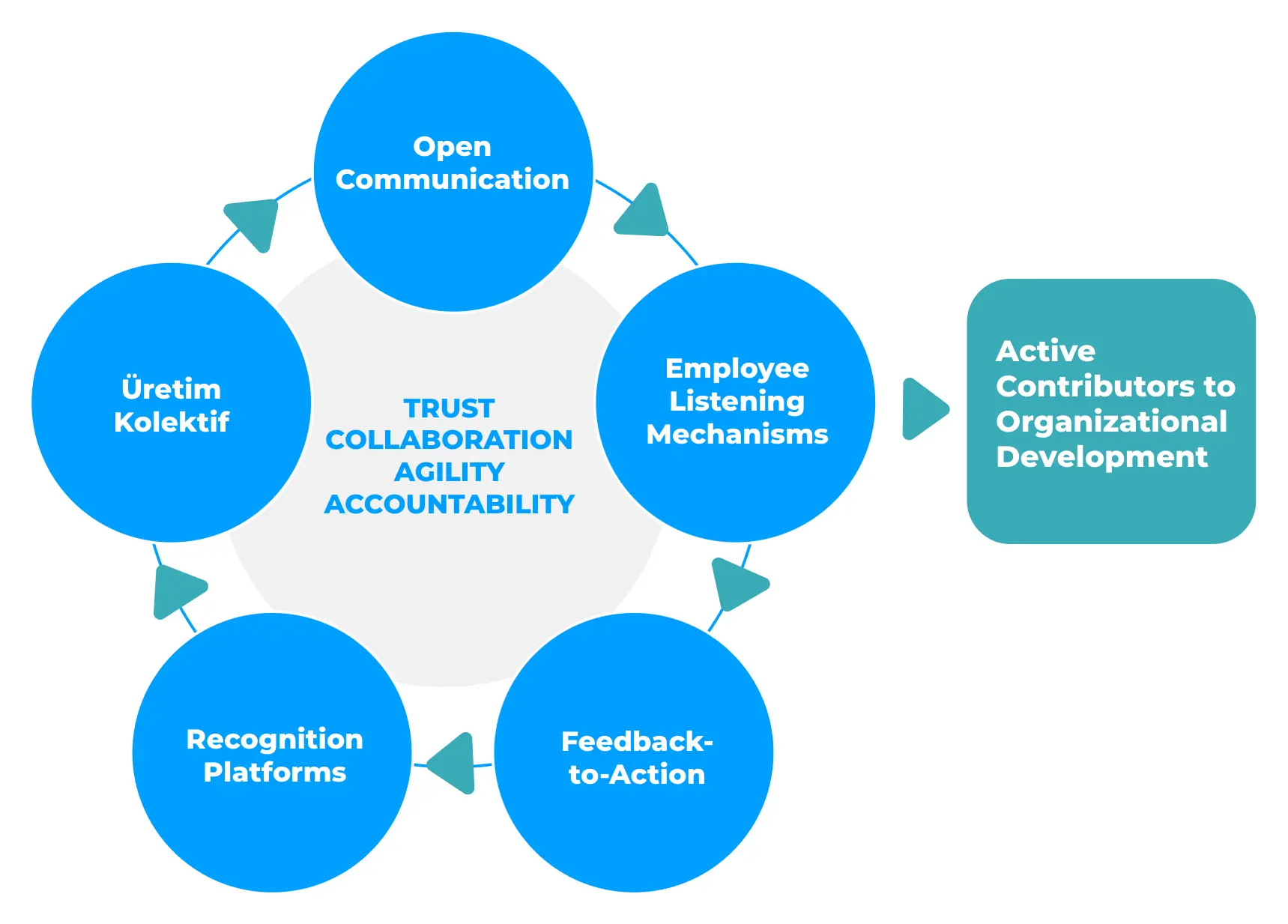
Our People and Culture values are embedded in everyday interactions through open communication, employee listening mechanisms, feedback-to-action practices, recognition platforms and participatory structures such as Üretim Kolektif. Together, these practices reinforce accountability, agility, collaboration and trust, while positioning employees as active contributors to organizational development and improvement.

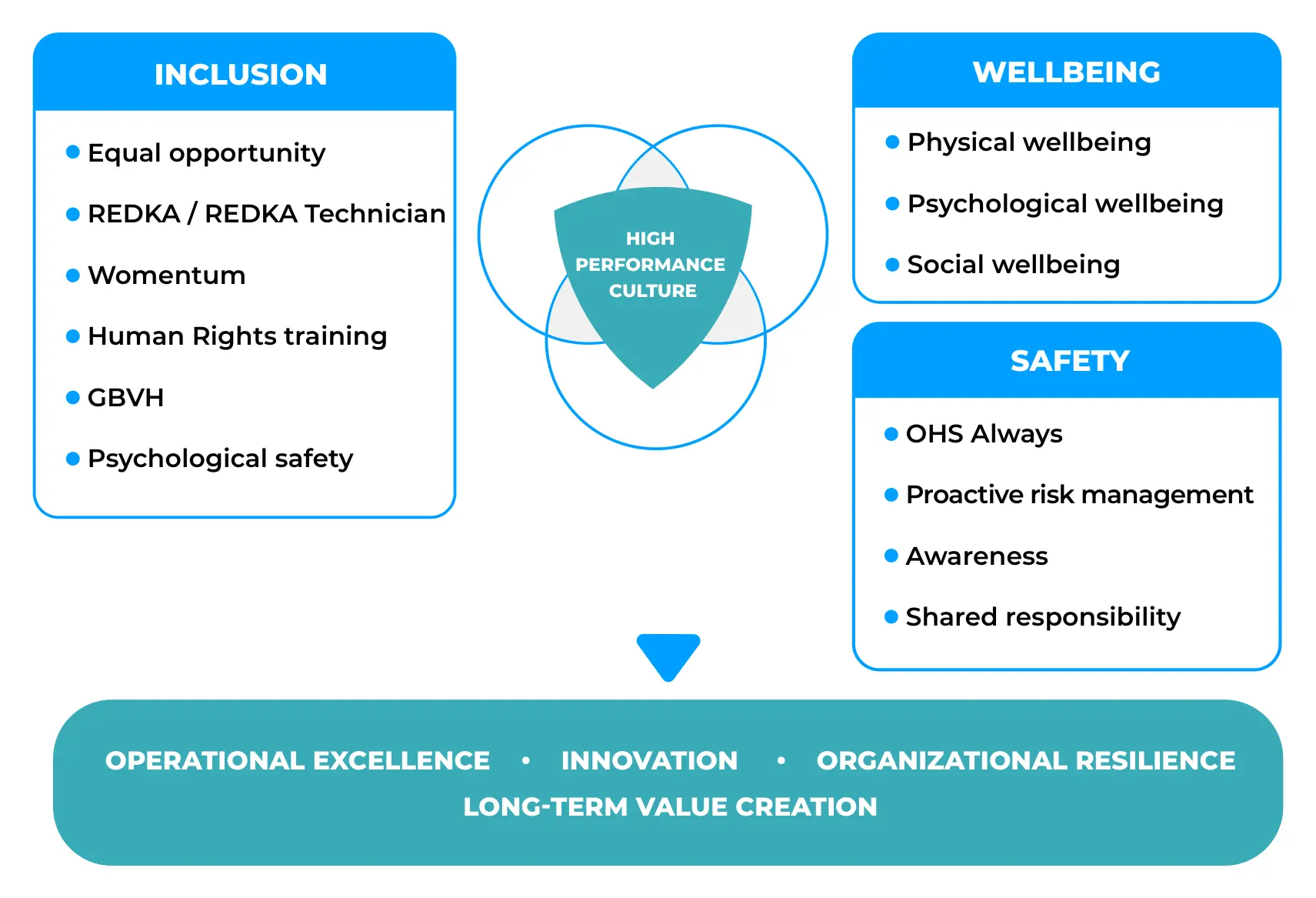
WHAT MAKES A SAFE AND INCLUSIVE CULTURE?

Image

Equal opportunity, inclusion, wellbeing and occupational health and safety are integral to our culture. Initiatives such as REDKA and Womentum support women’s representation and equal access to development opportunities, while Human Rights, non-discrimination and GBVH trainings strengthen a respectful and inclusive workplace. Inclusion and psychological safety are reinforced through employee voice mechanisms, inclusive communication practices and awareness programs, creating an environment in which individuals can participate fully, express themselves openly and contribute authentically. Occupational health and safety remains a non-negotiable priority, guided by the zero-accident principle, proactive risk management and a strong culture of awareness and prevention.

Image

This approach also supports our broader sustainability agenda by linking people, culture and leadership practices to long-term organizational resilience and the capabilities required by the energy transition. To strengthen execution discipline, we continue to enhance the use of people-related indicators and targets in areas such as capability development, engagement, diversity and safety, enabling more structured monitoring of progress over time.

Enerjisa Üretim draws its greatest strength in building a sustainable future from its competent, agile and transformation-oriented workforce. As of December 31, 2025, we employed 1,304 colleagues who contribute to and lead Türkiye’s energy transformation.

Our organizational structure is designed to support operational excellence, production continuity and long-term strategic priorities. As of year-end 2025, 794 colleagues held specialist, engineering and managerial positions, while 510 colleagues served as supervisors and technicians, playing a critical role in ensuring the safe and uninterrupted execution of field operations. This balance between field expertise and corporate capabilities supports the integrated management of our diversified generation portfolio.

In line with our growth ambitions and evolving capability needs, we continue to strengthen our talent base and equip our organization with the skills required for the future of energy.

In 2025, 122 new colleagues joined Enerjisa Üretim, bringing diverse expertise, fresh perspectives and development potential to our organization.

Women represented 25.4% of new hires, while the overall female employee ratio reached 20.5% at year-end.

Women also accounted for 21% of leadership positions, reflecting our commitment to increasing women’s representation across all levels of the organization and fostering a more inclusive leadership pipeline.

Attracting young talent and supporting workforce renewal remain important priorities. In 2025, 45 young talents joined our team through the Energy Youth College Long-Term Internship Program, while the Nextchanger Young Talent Program welcomed 9 new colleagues. These structured talent pipelines strengthen the connection between academia and industry and contribute to developing future energy professionals.

Our operational strength extends across Türkiye’s regions and is supported by strategic management and specialized functions. While 39% of our colleagues work in strategy, transformation, engineering, trading and support functions, a significant portion of our workforce ensures the safe, efficient and uninterrupted continuity of production processes at our sites. Together with Senkron Digital and Enerjisa Commodities, we create value on an international scale with teammates based in the United Kingdom, France, the Netherlands, Egypt, Poland, Romania, Serbia and Greece.

With an average employee age of 36.9 years, Enerjisa Üretim brings together the experience, innovation and technical expertise of a multi-generational workforce. Our average tenure of 5.8 years and annual employee turnover rate of 6.7% reflect a people approach that places employee experience, development and organizational commitment at its core.

Image

Supporting continuity throughout different stages of life is also an important part of our people approach. In 2025, the return-to-work rate following parental leave was 100%, supporting long-term workforce participation and employee continuity.

Beyond overall headcount and workforce demographics, we increasingly assess workforce composition through a sustainability lens, including representation, continuity, leadership pipeline strength and retention of critical capabilities. Internal mobility, career progression and equitable access to development opportunities remain important focus areas as we seek to sustain operational continuity and prepare for the future needs of the energy sector.

Attracting and retaining the capabilities required for the future of energy depends not only on what we do, but also on the experience, development and opportunities we offer to our people. At Enerjisa Üretim, we seek to position ourselves as a preferred employer through a holistic approach that combines a clearly defined Employer Value Proposition, authentic employer branding practices and structured talent pipelines spanning early talent to experienced professionals.

At the core of this approach lies our Employer Value Proposition, articulated through the promise, “This Is Our Impact.” This proposition frames employment as a meaningful journey through which colleagues contribute to sustainable business, social and environmental value. Rather than a transactional relationship, we emphasize purpose, impact and shared growth while positioning careers as dynamic and continuous journeys supported by meaningful roles, development opportunities and internal mobility. Reinforced through the message “Your career changes with us”, our approach aims to create a seamless transition from early engagement to long-term careers.

Our employer brand is built on authenticity and real experiences. Rather than relying on one-off campaigns, we integrate employer branding into everyday employee moments. Employee-generated content, leadership visibility and real career stories are actively leveraged across digital platforms to strengthen credibility and engagement. By aligning external messaging with internal reality, we seek to create an employer brand that is both credible and sustainable.

The strength of our people practices continues to be recognized by respected HR and industry organizations, including TEGEP (Turkish Association for Training and Development), PERYÖN (Türkiye People Management Association), “Top Employer” and “Great Place to Work”. These recognitions reflect the maturity consistency and external credibility of our approach to employee experience, organizational culture, learning and development, and people governance, while demonstrating alignment with leading practices and global standards.

HOW DO WE BUILD FUTURE LEADERS?

Our Talent Pipeline

  • University Collaborations

  • Energy Youth College

  • Nextchanger
  • Learning & Development

    Academy • Power MBA • Combine • Energy Case Lab • SES Fest • SES Tour

  • Leadership Programs

  • FUTURE-READY ORGANIZATION

Building a strong talent pipeline remains an important component of our long-term people and capability strategy. Our collaborations with universities extend beyond traditional career fairs through guest lectures and academic partnerships, enabling direct interaction between students and industry professionals and strengthening the connection between academia and the energy sector.

Early talent engagement is supported through initiatives such as the Energy Youth College Long-Term Internship Program, designed for third- and fourth-year university students. The program delivers 56 hours of structured learning over a four- to five-month period, including 14 hours of online learning, 18 hours of hybrid learning and 24 hours of face-to-face learning, helping participants build sector awareness while gaining exposure to the energy industry.

The Nextchanger Young Talent Program serves as our primary graduate pipeline for recent graduates. Structured as a 12-month journey, the program provides 31 hours of technical training and 84 hours of leadership development, enriched through project experiences, leadership interaction and power plant visits. In 2025, the program achieved a satisfaction score of 93.4%, reflecting the positive experience of participants and the effectiveness of the program.

In parallel, specialized initiatives such as REDKA, REDKA Technician and Womentum contribute to increasing diversity and inclusion by supporting underrepresented talent pools, particularly women engineers and technical professionals. Supported by structured internship and evaluation processes, these initiatives create pathways extending from early engagement to full-time employment and reinforce Enerjisa Üretim’s position as a credible and future-focused employer.

Image

Our talent attraction approach is shaped by the evolving needs of the energy transition, including demand for technical, digital and sustainability-related capabilities. Beyond employer branding, we seek to build inclusive and future-oriented talent pipelines that support long-term business continuity while also contributing to youth employability, stronger university-industry linkages and broader social value creation.

As the energy sector evolves through decarbonization, digitalization and increasing operational complexity, strengthening capabilities remains a strategic priority for Enerjisa Üretim. We invest in broad-based employee development, technical expertise, leadership capabilities and future skills to prepare our organization for the changing needs of the energy system and support long-term value creation.

Our learning and development approach is built on structured and accessible learning ecosystems that combine technical, functional and behavioral development. Through role-based and site-specific development journeys, peer learning, digital platforms and real business challenges, we seek to strengthen both individual capabilities and broader organizational readiness. By making learning accessible across locations and functions, we support a more inclusive culture of continuous development and knowledge sharing.

HOW DO WE DEVELOP CAPABILITIES?

Our Capability Development Ecosystem

Input
  • OKRs

  • Performance cycles

  • Calibration processes

Learning Platforms
  • Enerjisa Üretim Academy

  • Leadership programs

  • E-Gelişim

  • LinkedIn Learning

  • Technical training

Development Journeys
  • SES Fest
  • SES Tour
  • Power MBA
  • Combine
  • Energy Case Lab
Capabilities
  • Technical depth

  • Digital & data capabilities

  • Leadership maturity

  • Cross-functional collaboration

Outcomes
  • High-performance organization

  • Future-ready workforce

  • Operational excellence

  • Adaptability

  • Energy transition readiness

Technical capability development is primarily supported through Enerjisa Üretim Academy, which delivers role-based and plant-specific training aligned with operational needs. In 2025, a total of 78,058 hours of competency, technical and mandatory regulatory training were delivered, corresponding to an average of 82.37 training hours per employee. During the year, 1,544 training programs were implemented with participation from 1,528 employees. Total learning and development investments amounted to TL 36,361,843, including TL 10,396,397 allocated to mandatory trainings, TL 7,144,050 to technical trainings and TL 18,821,369 to competency development programs.

To support operational excellence and reduce external dependency, the Academy team delivered 93 hands-on technical trainings across 23 different areas and developed 32 comprehensive digital modules covering electrical, mechanical and automation disciplines. Integrated into the e-learning platform, these modules represent a pioneering initiative within the sector and support the institutionalization, accessibility and transfer of technical know-how.

Digital and analytical capabilities are strengthened as part of our broader transformation journey. Learning initiatives covering Power BI, data analytics and digital literacy support employees in adapting to increasingly data-driven ways of working and contribute to building the capabilities required by the future energy ecosystem.

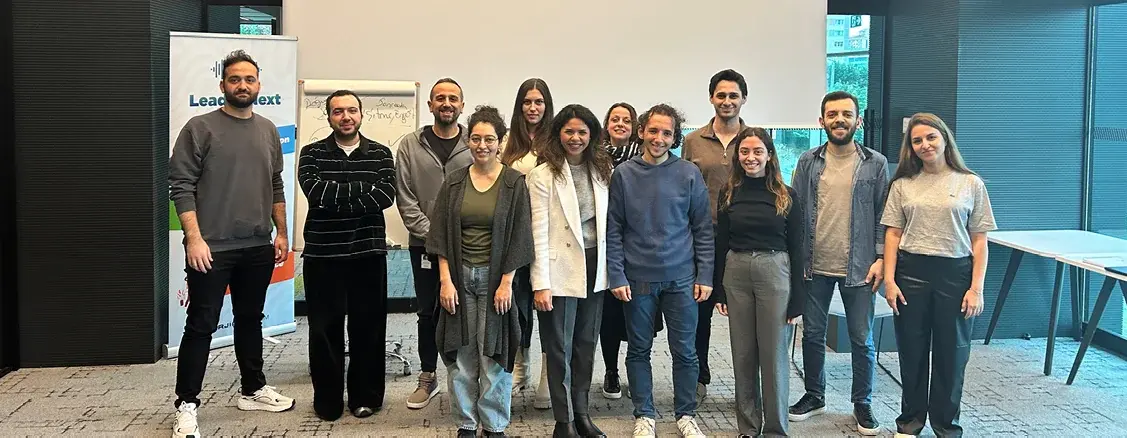
Leadership development is addressed through a multi-layered framework designed to prepare leaders for a changing business environment. The Future-Ready Leadership Model focuses on systems thinking, inclusive leadership and digital acumen. Leader Next and the Manager Development Programme support the development of core leadership capabilities and reached 307 participants in 2025. The Leadership Playbook further reinforces shared expectations around trust, ownership and follow-through.

High-potential colleagues are accelerated through the Combine program, which delivers cohort-based development sessions focused on strategic thinking and business acumen. In 2025, Combine reached 130 participants and delivered 42 hours of training over a 20-week period through internal trainers. For senior leaders, Energy Case Lab provides advanced case-based learning inspired by global MBA methodologies, strengthening decision-making and cross-functional collaboration and reaching 110 participants during the year.

Continuous learning is supported through SES (Sürekli Eğitim Santrali), which seeks to foster curiosity, collaboration and knowledge sharing throughout the organization. SES Fest provides a two-day learning experience for headquarters employees by bringing together multiple training sessions simultaneously across different classrooms. In 2025, SES Fest reached 336 participants, delivered 846.5 training hours through 20 classes and achieved a satisfaction score of 91.9.

Through SES Tour, learning opportunities are brought directly to power plant locations, increasing accessibility and strengthening engagement across field teams. In 2025, SES Tour reached 516 colleagues through 30 classes across nine locations, delivering training programs tailored to site-specific needs and supporting collaboration across locations.

Employees also benefit from digital learning platforms such as E-Gelişim and LinkedIn Learning, supporting self-directed and continuous development aligned with changing business needs.

Supporting future capabilities and promoting diversity in technical roles remain important priorities. REDKA is a six-month structured development program for women engineers and technicians, offering more than 144 hours of technical and behavioral training. Combining classroom learning, on-the-job experience, coaching and interaction with senior leaders, the program contributes to strengthening technical capabilities and increasing women’s representation in the energy sector.

Advanced capability building is further supported through the Power MBA program, which delivers 115 hours of learning over nine months. In 2025, the program involved 48 participants, bringing the total number of alumni to 266. We also continue to support master’s and doctoral education, helping colleagues deepen their expertise and prepare for the evolving requirements of the future energy system.

As decarbonization and digitalization continue to reshape the sector, reskilling and upskilling remain central to our efforts to build a future-ready workforce. We also place increasing focus on identifying critical capabilities, reducing skill gaps and supporting succession readiness in roles that are strategically important for operational continuity and transformation.

At Enerjisa Üretim, performance management, remuneration and recognition are structured as an integrated and mutually reinforcing system designed to support sustainable high performance and long-term value creation. This holistic approach ensures that individual contributions are clearly defined, fairly evaluated, consistently rewarded and continuously recognized, while strengthening ownership, collaboration and accountability across the organization. We define high performance not only through the achievement of targets, but also through the way those results are delivered. Accountability encompasses not only the level of goal achievement, but also the methods adopted in pursuing those goals, ensuring that business outcomes are achieved in safe, ethical and responsible ways. By integrating performance, reward and recognition, we seek to foster a culture that encourages ownership, collaboration and continuous improvement.

At the core of our performance management approach is the implementation of Objectives and Key Results (OKRs). OKRs translate strategic priorities into measurable and aligned goals across organizational, team and individual levels. Objectives define what needs to be achieved, while Key Results specify how success is measured through clear and quantifiable indicators. This structure helps ensure that performance is outcome-based and that every colleague understands how their contributions support the company’s strategic priorities.

All OKR processes are managed through the Perfx digital performance platform, which enables goal setting, progress tracking, mid-year and year-end evaluations and centralized reporting. The performance cycle follows a structured annual flow consisting of objective setting, a mid-year review, a second check-in and a year-end evaluation. Employees complete self-assessments followed by one-on-one discussions with their managers, reinforcing continuous dialogue, transparency and development-focused feedback.

To ensure fairness and consistency across the organization, calibration processes are conducted across teams and functions. These sessions align performance ratings, reduce inconsistencies and establish a common evaluation standard, providing important inputs for compensation and talent decisions. In 2025, goal entry rates reached 100%, overall OKR alignment reached 88%, and calibration alignment reached 98%, reflecting the maturity and effectiveness of the process.

Our remuneration approach is based on market competitiveness and internal equity. We participate in independent salary surveys twice a year and benchmark compensation against national market data and a defined peer group. Salary increases are reviewed annually, taking into consideration inflation, market positioning, budget, internal equity and performance outcomes.

In addition to base salary, performance-based bonuses are governed through a formal framework defining eligibility criteria, weighting principles and approval mechanisms. The framework also incorporates malus and clawback provisions where applicable, reinforcing responsible and sustainable performance.

To enhance transparency and strengthen awareness of the overall value proposition offered to employees, we implement a Total Reward approach. Through annual Total Reward Statements, colleagues receive a comprehensive overview of base salary, variable compensation, benefits and non-monetary rewards, supporting a clearer understanding of the overall rewards ecosystem.

Sustainability considerations are increasingly embedded into remuneration frameworks. In 2025, 10% of the CEO’s performance evaluation was directly linked and an additional 22.5% was indirectly linked to sustainability targets. In addition, at least 78% of the annual KPIs of leadership team members were associated with sustainability and climate change objectives. The CDP Climate Change score also directly influences executive performance bonuses, reinforcing accountability and encouraging sustainability-oriented decision-making.

Alongside performance outcomes, we continue to strengthen the fairness, transparency and long-term orientation of our reward approach. By balancing market competitiveness with internal equity and by progressively integrating non-financial considerations into performance and remuneration frameworks, we aim to reinforce responsible decision-making, support trust in the system and align individual incentives with sustainable value creation.

Recognition forms an integral part of our culture and extends beyond performance outcomes to include collaboration, support and everyday contributions. Through the “İyi ki Varsın” digital platform, colleagues can recognize each other in real time by sending digital reward points, known as electrons, linked to company values and redeemable through an internal marketplace. In 2025, the allocation rate of electrons reached 94%. Recognition is further supported through digital thank-you cards and appreciation tools that encourage colleagues to acknowledge meaningful contributions and reinforce positive behaviors. As part of this approach, the annual Thank You Movement promotes conscious and well-justified appreciation through a dedicated campaign period supported by clearly defined criteria. In 2025, colleagues sent 292 thank-you cards and received 287 cards. By encouraging appreciation that extends beyond the campaign period, we seek to foster a sustainable culture of gratitude, recognition and belonging.

Through an integrated approach combining performance management, remuneration and recognition, we continue to create an environment in which colleagues are empowered to perform at their best, contribute to shared success and create sustainable long-term value.

Image

At Enerjisa Üretim, employee engagement and experience are managed as a business discipline rather than a standalone HR initiative. We believe that sustainable performance depends on understanding employee experiences, listening continuously and translating insights into action. Accordingly, engagement is embedded into day-to-day operations and decision-making processes, enabling the organization to strengthen trust, improve employee experience and respond proactively to changing needs.

HOW DOES CULTURE COME ALIVE?

Our Culture Flywheel

Image

Our approach is built on a year-round employee listening ecosystem that enables leaders and People and Culture teams to monitor engagement and satisfaction levels, understand key experience drivers and respond with agility. By adopting a data-driven approach to employee experience, we seek to strengthen accountability, support evidence-based leadership and enable the early identification of organizational risks and improvement opportunities.

Employee engagement and satisfaction are primarily measured through the annual Employee Engagement Survey (EES), which captures employee perceptions across multiple dimensions, including leadership, collaboration, communication, work environment and overall employee experience. In 2025, the survey achieved a participation rate of 85% and an engagement score of 67. In addition to quantitative indicators, qualitative feedback collected through open-ended questions provides deeper insights into employee expectations, concerns and experience drivers.

Survey results are analyzed across functions, locations and organizational units, enabling both company-wide trends and team-specific priorities to be identified. Findings are shared transparently and ownership isdistributed across leaders and teams, ensuring that engagement is managed collectively rather than centrally. This approach reinforces the principle that employee experience is a shared responsibility and that leaders play an active role in creating healthy and high-performing teams.

To maintain agility between annual survey cycles, we complement the EES with pulse surveys conducted throughout the year. In 2025, a pulse survey was conducted to monitor employee sentiment, evaluate the effectiveness of action plans and identify emerging needs. Through this approach, engagement and satisfaction are continuously monitored and actively managed rather than assessed only retrospectively.

Insights gathered through surveys are translated into tangible improvements through a structured feedback-to-action model. Supported by People and Culture Business Partners, teams conduct evaluation sessions, identify root causes and develop tailored action plans aligned with team-specific priorities. Progress is monitored through follow-up mechanisms and pulse surveys, helping reinforce trust by demonstrating that employee feedback leads to visible change. During the year, 102 action plans were implemented across the organization.

Employee participation is further strengthened through mechanisms such as Üretim Kolektif, employee committees and focus groups, which provide platforms for colleagues to share ideas, raise concerns and contribute to organizational development. In 2025, 60 Üretim Kolektif sessions were held. By positioning employees as active contributors rather than passive recipients, these participatory mechanisms strengthen ownership, support collaboration and encourage shared responsibility for continuous improvement.

Open communication and a field-oriented management approach are essential elements of our culture. Creating an environment where colleagues can comfortably share their views, suggestions and observations is considered critical for early risk detection, the visibility of issues and sound decision-making. Leaders are encouraged to listen actively and convert feedback into action, strengthening trust and reinforcing a culture of transparency and accountability.

Collaboration across diverse locations and functions is supported through inclusive structures that ensure equal voice for both field and headquarters employees. By creating opportunities for participation, dialogue and cross-functional learning, we seek to strengthen belonging, satisfaction and shared accountability throughout the organization. Through these mechanisms, employee experience becomes an important input into organizational learning and more agile decision-making.

Our engagement approach also contributes to organizational resilience by helping us identify emerging risks early, strengthen trust and translate employee feedback into tangible improvements. Going forward, we aim to further develop outcome-oriented indicators that help us better understand the effectiveness of engagement actions over time.

Image

EMPLOYEE HEALTH AND WELLBEING

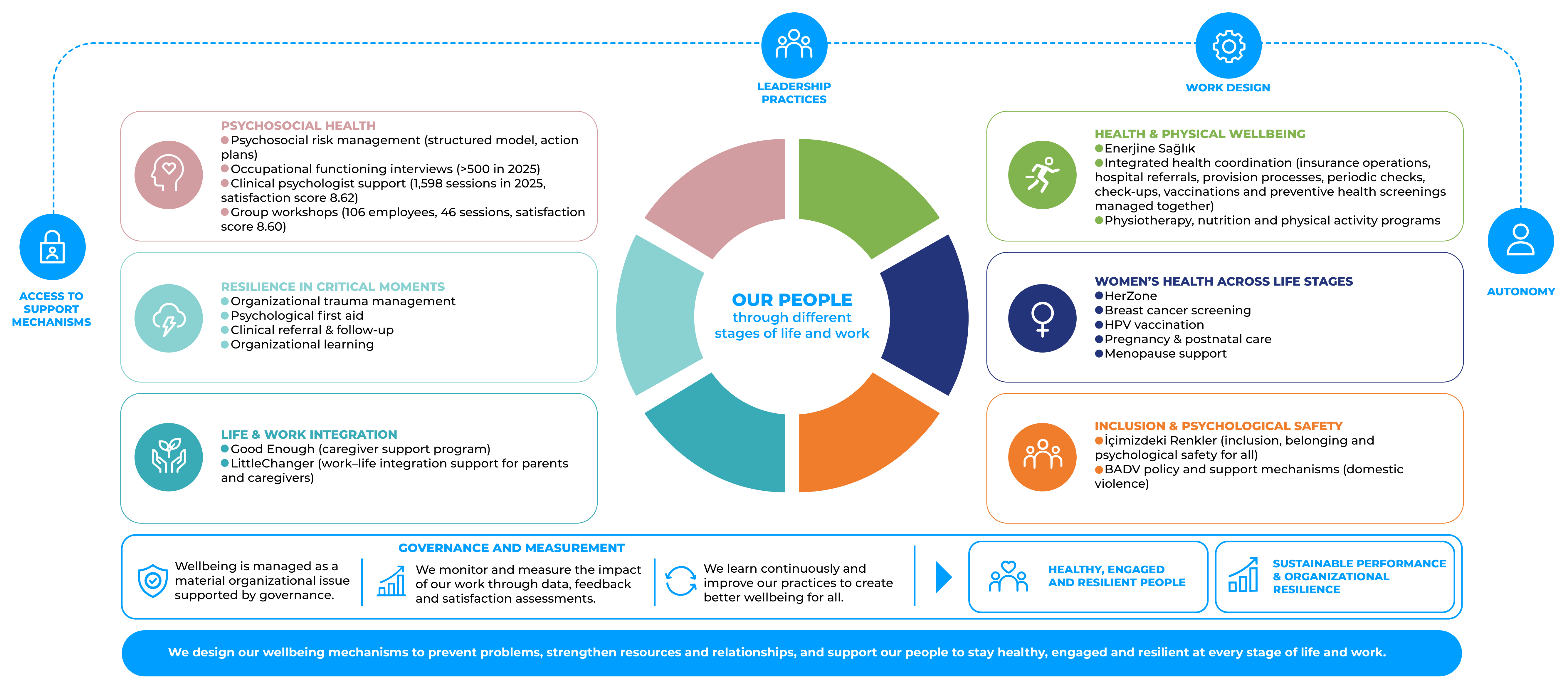
At Enerjisa Üretim, we support the health and wellbeing of our people through integrated mechanisms that address physical, psychological and social dimensions—across different stages of life and work.

At Enerjisa Üretim, employee wellbeing is addressed holistically through physical, psychological and social support mechanisms. We view employee health and wellbeing as essential enablers of sustainable performance and organizational resilience. We believe that wellbeing is not solely an individual responsibility, but a systemic and structural issue shaped by leadership practices, work design, communication quality, autonomy and access to support mechanisms. Accordingly, we seek to create conditions that enable team members to remain healthy, engaged and resilient throughout different stages of life and work.

Our approach addresses physical, mental, emotional and social dimensions in an integrated manner. Guided by a positive organizational health perspective, we focus not only on preventing problems, but also on strengthening the resources, relationships and systems that enable individuals and teams to thrive. We recognize that sustainable performance depends on healthy organizations as much as healthy individuals, and that managing risks and improving performance are two sides of the same process.

Recognizing the importance of psychosocial health, we have established a structured psychosocial risk management model that seeks to understand how the system within which an individual operates shapes their emotional and meaning-making world, and whether that system’s resources are equally functional for everyone. The model uses quantitative psychosocial risk scales and open-ended qualitative narratives simultaneously in every interview. The scale shows where imbalance exists; the narrative reveals what that imbalance means for the employee. In this way, the model makes visible what numbers alone may conceal.

The model follows a five-step cycle of preparation, design, interviews, analysis and sharing. In the analysis phase, quantitative and qualitative data are integrated; findings are then made visible with management, responsibility is moved from the individual to the system, and action plans are built together. The sharing phase is not treated as a reporting exercise, but as an accountability practice through which leaders are invited to recognize the impact of their own management practices on employees.

Image

In 2025, individual face-to-face interviews were conducted with 1,266 employees, each lasting an average of 90 minutes and generating a total of 1,895 hours of data. Findings highlighted digital connectivity stress and lack of predictability as leading sources of risk, while sense of meaning in work and autonomy at work stood out as protective resources. Workshops were held with five technology units over seven full days and with 12 departments over 14 full days, followed by 70 action-building sessions in which intervention plans tailored to each unit’s specific conditions were co-designed.

These findings opened direct leadership development areas. Identifying predictability as a risk factor invites reflection on the quality of communication in decision-making processes; the prominence of digital load calls into question work design norms and work-life balance; and the protective effect of autonomy at work challenges assumptions about the latitude and management style afforded to employees. Predictability enhances focus, digital boundaries reduce burnout, autonomy strengthens accountability, meaning in work feeds engagement and resilience, and leadership awareness improves team climate.

Psychosocial support mechanisms complement this approach through a layered model comprising occupational functioning interviews, clinical psychologist support and group workshops. More than 500 occupational functioning interviews were conducted in 2025, focusing on the balance between employees’ workplace experiences and their emotional world in relation to their work, role expectations, team experience, capacity to focus and daily working rhythm. This approach supports a culture in which employees can seek support not only when they are in difficulty, but also to sustain everyday functioning.

Clinical psychologist support is designed as a bespoke process in which specialist and modality selection, intervention approach and follow-up mechanisms are actively managed. In 2025, 1,598 sessions were conducted with a satisfaction score of 8.62. The extension of support services to employees’ close relations reflects our holistic approach, recognizing that difficulties within close relationships can affect employees’ emotional state, focus and functioning.

Group workshops provided a setting in which employees come together around shared experiences and find space for emotional expression, awareness and peer support. In 2025, 106 employees participated in 46 sessions, with a satisfaction score of 8.60. These sessions complemented individual support mechanisms, contributing to employees’ sense of strength within a safe group experience rather than in isolation.

Integrated health coordination further supports employee wellbeing by coordinating health and supplementary benefit processes so that employees can access the right care, guidance and follow-up when a health need arises. Insurance operations, hospital referrals, provision processes, periodic health checks, check-up organization, vaccinations and preventive health screenings are managed together within this structure. By reducing the administrative and emotional burden of health processes, this approach supports employees in accessing health services more safely, quickly and without interruption. Approximately 10,000 hours of potential time burden arising from external appointments, travel and waiting were prevented in 2025.

Supporting employees through different life stages and experiences is another important dimension of our approach. Good Enough was designed from the recognition that working life and caregiving responsibility cannot be thought of separately. Psychosocial assessments showed that employees carrying parenting responsibilities prominently experienced burnout, feelings of inadequacy and difficulty maintaining work-life balance. At baseline, the perceived ability to balance work and parenting responsibilities measured 5.4 out of 10, while satisfaction with time spent with children measured 4.5.

Image

Inspired by Winnicott’s concept of “good enough parenting,” the program aims to reduce the pressure on parents to be perfect and replace it with strengthened self-compassion and a sense of adequacy. In 2025, 82 employees and partners participated; 162 individual counselling sessions, 11 webinars and four group workshops were held. 2025 results showed that perceived difficulty in maintaining work-life balance decreased by 20%, while the sense of adequacy in balancing caregiving and work responsibilities increased by 28%. Satisfaction with time spent with children rose by 33%, and confidence in setting digital boundaries increased from 5.30 to 7.47.

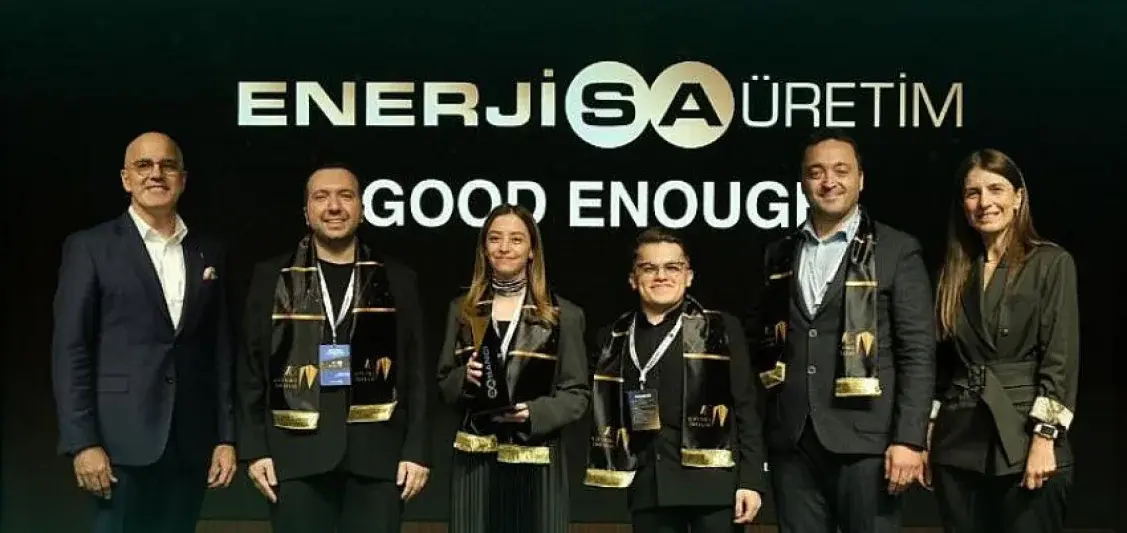
In 2025, our Good Enough program was awarded first place in the “The Future Starts with Sabancı” category at the 16th Altın Yaka Awards of the Sabancı Group. The program recognizes caregiving responsibilities as a key component of wellbeing and promotes the sustainable integration of work and personal life through a range of psychological, social, and practical support mechanisms. This recognition highlights the effectiveness of our people-centered and inclusive approach to fostering wellbeing across the organization.

Good Enough contributes to building a high-performing organization on the foundation of seeing the employee as a whole person. Making parenting responsibility visible and recognizing its relationship to working life at an institutional level creates a concrete transformation: as feelings of guilt and inadequacy diminish, mental load lightens, the employee becomes more focused at work, and work-family transitions settle onto healthier ground.

Image

Work-life integration is further supported through LittleChanger, an experiential space in which employees’ children can connect with their parents’ working lives. In an eight-week program involving 63 children, 97.3% of parents reported that their children had a better understanding of their work and were better able to manage separation.

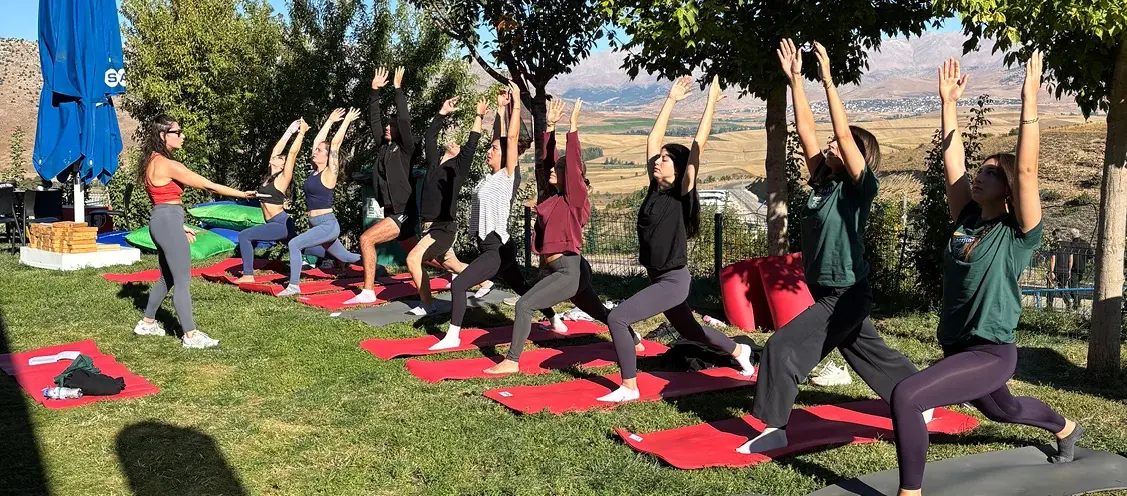
Physical wellbeing is promoted through Enerjine Sağlık, which brings nutrition, physical movement and musculoskeletal health together in a holistic ecosystem, supporting employees in managing their energy and vitality with awareness. Guided by a salutogenic perspective, the focus is not only on preventing illness, but also on strengthening the conditions that sustain health. In 2025, 4,989 sports sessions were completed; physiotherapy sessions contributed to a 23.3% reduction in pain complaints; and corporate nutrition consultations resulted in a total of 272.5 kilograms of weight loss, with seven employees moving below the obesity risk threshold.

According to the Wellbees measurement methodology, the organizational wellbeing score was measured at 67%, above both the global benchmark of 43% and the sector benchmark of 51%. Employee feedback prominently featuring the words “being remembered,” “being followed up” and “being seen” indicates that the program has also found resonance in the trust relationship employees build with the organization. One employee’s reflection, “when I get home, I have the energy to play with my children,” captures how the program feeds into general functioning beyond working hours.

Women’s health and inclusion are addressed through HerZone, a holistic program that brings together breast cancer screenings, HPV vaccinations, pregnancy follow-up, postnatal care and the menopause transition within a biopsychosocial framework. The program addresses women’s health across the full life cycle and reflects the intersection of salutogenic and positive organizational health perspectives: meeting women’s experiences at every transition, medically, psychosocially and institutionally, does not only reduce risk; it nourishes women employees’ capacity to grow and be present.

In 2025, 99 employees participated in breast cancer screening, and 39% were placed under close monitoring due to potential risks. An HPV vaccination rate of 29.3% was reached among women under 26, well above Türkiye’s national average of 1–4% and approaching the WHO’s global target of 30%. The menopause transition, long rendered invisible in the corporate world, was incorporated into the program in 2025 through a mechanism encompassing medical follow-up, psychosocial support and an assessment of workplace needs. Experiences such as hot flashes, sleep difficulties, mood changes, concentration challenges and energy fluctuations, which can affect working life, were brought into a supported space where they could be addressed openly.

HerZone contributes to building a high-performing organization by making visible the health needs women employees may face throughout their careers and by responding to those needs at an institutional level. Addressing breast cancer screening, HPV vaccination, pregnancy, postnatal care and menopause under a single framework makes it possible to manage health risks early, protect employees’ functioning and support sustainable participation in working life.

We also seek to strengthen inclusion and psychological safety through İçimizdeki Renkler (The Colors Within Us). The program positions inclusion not as a celebration of diversity, but as a direct component of psychosocial wellbeing and psychological safety. Its founding question is: Can we remain ourselves while staying together? Guided by a positive organizational health perspective, the program focuses beyond identifying the damage caused by a lack of inclusive culture and toward building the conditions in which every employee can exist and grow as themselves.

Image

The psychological cost of the absence of an inclusive culture is concrete. Women’s reluctance to express their achievements, parents concealing caregiving responsibilities or employees in minority positions performing daily conformity acts are not individual choices; they are structural necessities. These are signs of continuous self-fragmentation that accumulates and can cause damage at the level of identity.

Through film screenings, webinars and discussion sessions, İçimizdeki Renkler opens topics such as women’s experiences, minority identities and inclusive leadership to dialogue in a non-judgmental space that makes room for vulnerability. The program treats inclusion as a structural practice that directly affects organizational functioning. Gaps between policy and practice erode decision-making quality, collective learning and the capacity to retain talent. From a positive organizational health perspective, high performance becomes possible by building the conditions in which every voice, experience and way of working can genuinely emerge. Perhaps the program’s most critical contribution is that employees’ energy is freed from the labor of concealment and conformity and redirected toward work and contribution.

The BADV component of the program directly addresses the heaviest form of this invisible burden. Domestic violence is a psychosocial risk factor that seeps into the workplace yet is often carried in silence. Enerjisa Üretim has developed a corporate policy in this area, established an interdisciplinary structure and created concrete support mechanisms for employees. Recognizing at the institutional level that violence experienced in private life can reverberate in the workplace expands the boundaries of leadership culture and psychological safety.

Resilience is further strengthened through organizational trauma management practices designed to support employees’ psychological recovery following critical incidents through structured and timely intervention. This approach recognizes that traumatic events do not create only individual impact; they are organizational experiences capable of affecting team relationships, trust, working rhythms and sense of belonging. Within the High Reliability Organization framework, unexpected events are inevitable; what matters is the extent to which the system can absorb these events and maintain its functioning.

Enerjisa Üretim’s organizational trauma management model is structured as a six-step process. Following a critical incident, initial contact is made quickly; delay directly affects both individual recovery and the organizational trust foundation. Group and individual psychological first aid sessions are then conducted, recognizing that each format addresses different needs. Individual and organizational needs are assessed using data gathered from the sessions, followed by monitoring through follow-up interviews. Employees identified as needing further support are referred to clinical services, and findings are converted into organizational learning through concrete action recommendations for leadership practices, system design and safety culture.

In 2025, psychological first aid protocols were activated following two critical incidents. After a fatal traffic accident at one of the power plants, group and individual psychological first aid sessions were conducted with eight employees. Following a fire at the Bandırma plant, individual and group sessions were held with 49 employees; acute shock responses, processed emotional experiences and meaning-making processes were assessed simultaneously.

In both interventions, psychosocial health and safety business partners went to the field and opened space for employees’ emotional world immediately following the events. Their presence on site demonstrated that support is not a remotely delivered service, but a relational intervention grounded in standing alongside employees. This direct contact played a critical role in helping employees feel they were not alone and in rebuilding a sense of trust. The interventions did not remain limited to emotional first aid; they evolved into a continuous support structure through short- and medium-term action plans, follow-up sessions and clinical psychologist referrals where needed.

Organizational trauma management preserves and strengthens the collective capacity that emerges during a crisis. Within the organizational resilience cycle, this is where the cope and learn components intersect: the system absorbs the crisis, then rebuilds itself through what it learns from the experience. During the Bandırma fire, it was observed that despite communication gaps, roles were shared naturally, no one was left without purpose and a strong team consciousness formed organically. This collective reflex is evidence of a strong solidarity culture and crisis capacity within the organization.

The interventions also served as a critical resource for organizational learning. Themes including decision-making stress and managerial isolation, the tension between OHS rules and a sense of personal responsibility, and post-crisis representational inequality were made visible through psychological first aid sessions, generating concrete action recommendations for leadership and system design. This approach positions crisis not merely as a risk to be managed, but as a ground on which the organization learns, leadership understanding is tested and the bonds of the team are rebuilt.

We manage wellbeing as a material organizational issue supported by governance, measurement and preventive action, rather than as a collection of standalone practices. Our approach continues to evolve toward a more structured model that distinguishes between preventive, supportive and responsive wellbeing mechanisms while improving visibility on participation and outcomes.

Image

OUR OHS APPROACH

OHS ALWAYS

At Enerjisa Üretim, occupational health and safety is embedded in every decision and activity and is a defining element of how we understand high performance. We create sustainable value while protecting people, empowering participation and supporting continuous improvement.

At Enerjisa Üretim, our Occupational Health and Safety approach is embedded in every decision and activity and is a defining element of how we understand high performance. We evaluate operational excellence not only through production and financial results, but also through the working methods, safety culture, inter-team harmony and sense of responsibility demonstrated while achieving those results. For us, high performance means creating sustainable value while protecting people, empowering participation and supporting continuous improvement.

Our culture of collaboration is supported by open communication and a field-oriented management approach. Creating an environment where employees actively participate, share their views, suggestions and safety observations is critical for the early identification of risks, the visibility of issues and sound decision-making. Open communication mechanisms encourage managers to listen to their teams and turn feedback and observations into meaningful action. Accordingly, accountability covers not only the achievement of targets, but also the safe, ethical and responsible ways in which those targets are pursued.

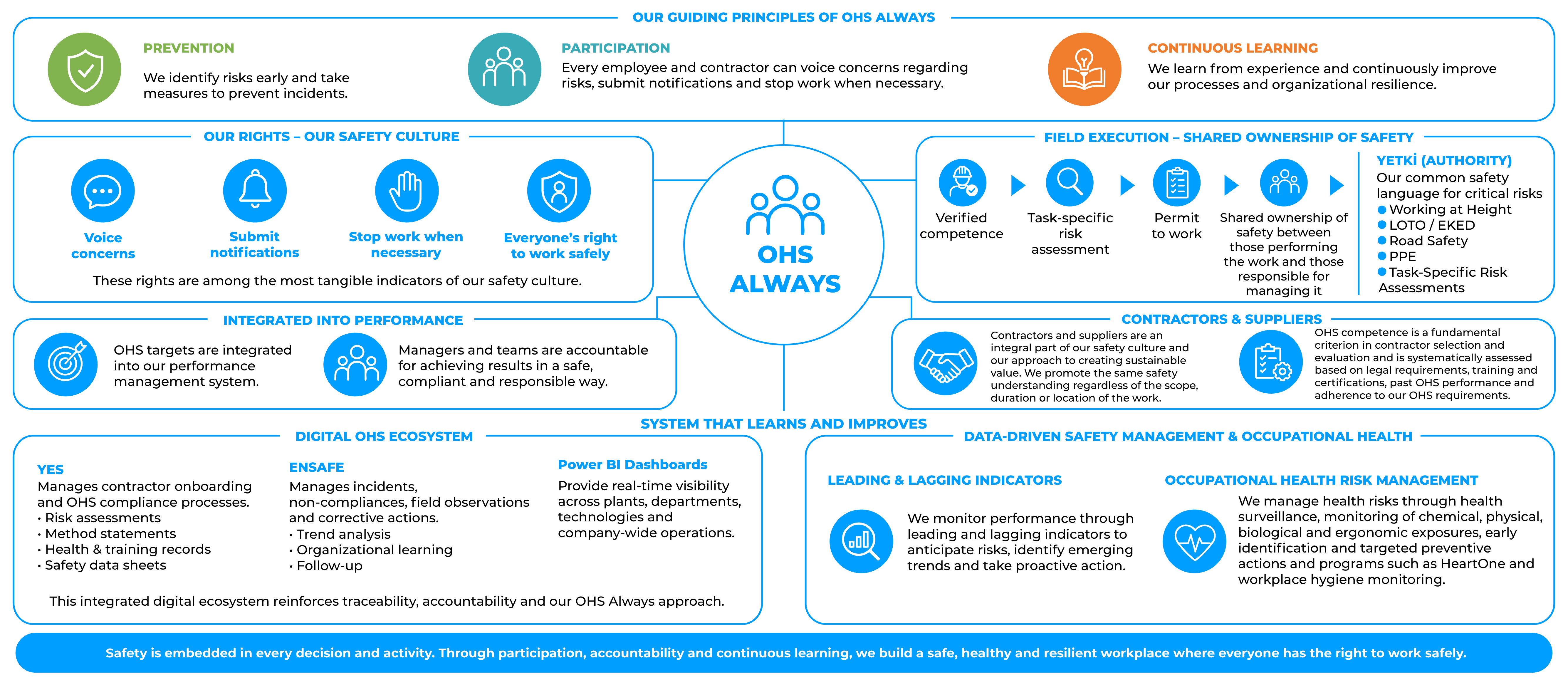
At Enerjisa Üretim, occupational health and safety is embedded as a shared value across the organization. Through our “OHS Always” approach, every employee and contractor has the right to voice concerns regarding risks, submit notifications and stop work when necessary. These rights are among the most tangible indicators of our safety culture. Regardless of position, role or work area, everyone’s right to work safely forms the foundation of a working environment built on trust, participation and shared responsibility.

Image

Our OHS Always approach is guided by the principles of prevention, participation and continuous learning. Inspired by High Reliability Organization thinking, we recognize that maintaining safe and resilient operations requires constant vigilance and the ability to identify weak signals before they escalate into serious consequences. Accordingly, we strengthen anticipation, communication and organizational learning to continuously improve our safety culture and operational resilience.

The integration of OHS targets into the performance management system makes safe working culture an integral part of corporate accountability. Managers and teams are responsible for achieving business results in a safe, compliant and responsible manner. This approach reinforces our belief that sustainable high performance can only be achieved through a strong safety culture, active participation and continuous learning.

In 2025, we recorded 20 incidents and no fatalities. Four occupational diseases were reported, while injury-related absenteeism totaled 15 days, resulting in a Lost Day Rate of 0.075%. Consistent with our OHS Always approach, occupational health and safety performance was monitored through both leading and lagging indicators, including the Lost-Time Injury Severity Rate (LTISR) of 5.4. These indicators support the identification of trends, early recognition of risks and continuous improvement of preventive actions. During the year, we delivered 54,567 hours of OHS training to employees and 188 hours to contractors, helping strengthen a common safety culture and shared understanding of responsibilities across all Enerjisa Üretim sites.

Contractors and suppliers are an integral part of our safety culture and our approach to creating sustainable value. Through our OHS Always approach, we aim to ensure that everyone working at Enerjisa Üretim sites shares the same understanding of safety, regardless of the scope, duration or location of the work. We promote a culture of participation, open communication and shared responsibility, ensuring that all employees and contractors contribute to identifying risks and maintaining safe operations.

OHS competence is a fundamental criterion in supplier selection and evaluation processes, particularly for contractors performing field work. Compliance with legal requirements, training and certification status, past OHS performance, non-compliance records, adherence to work permit processes and the ability to assign competent personnel for high-risk tasks are systematically assessed. Suppliers working with Enerjisa Üretim are expected to comply with applicable occupational health and safety legislation, company procedures, site rules and contractual OHS requirements. Beyond regulatory compliance, we seek to foster a common safety culture and a shared sense of responsibility across all parties working at our sites. This approach positions occupational health and safety not only as a contractual requirement, but also as a fundamental conditions of our business relationships and sustainable value creation.

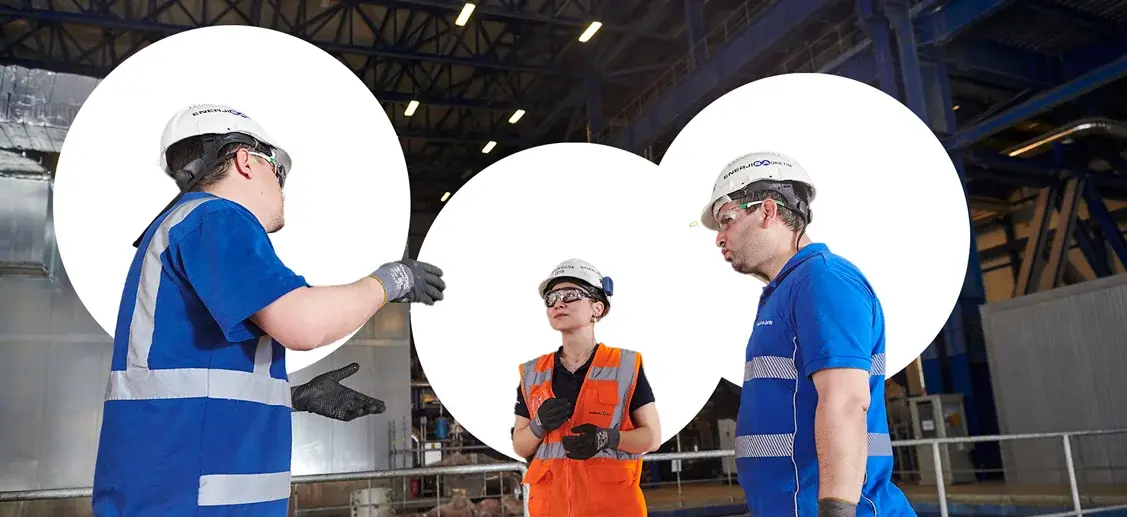
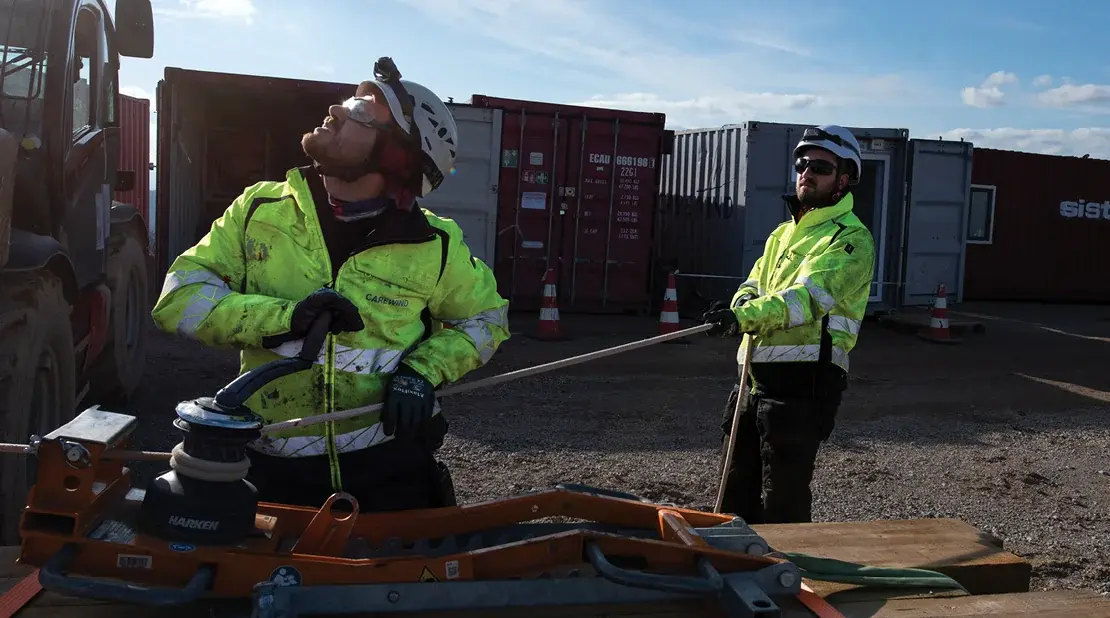
Ensuring safety in field operations begins with clearly defined authorities, responsibilities and verified competence. High-risk tasks may only be performed by individuals who have completed the required training, hold the necessary authorizations and have demonstrated their competence. Before work begins, contractors, operational teams and Enerjisa Üretim site supervisors jointly conduct task-specific risk assessments, while activities subject to permit-to-work requirements commence only after all required controls have been implemented. This approach establishes shared ownership of safety between those performing the work and those responsible for managing it, ensuring that risks are assessed and controlled within the actual conditions in which the work will be carried out.

Critical risks are managed through our YETKİ (AUTHORITY) approach, which provides a common safety language across all field operations. Through a focus on critical risk controls such as working at height, LOTO ‘Lockout – Tagout’ (EKED ‘Etiketle - Kilitle - Emniyete al - Dene’) applications, road safety, personal protective equipment and task-specific risk assessments, YETKİ creates a behavior-driven framework for preventing serious incidents. The approach reinforces the principle that everyone in the field, including contractor personnel, has both the right and the responsibility to work safely and to intervene when unsafe conditions are identified. Consistent with our OHS Always approach, work resumes only after risks have been eliminated or reduced to acceptable levels.

Supplier development and training activities play a key role in extending our OHS culture throughout the value chain. Before entering Enerjisa Üretim sites, contractor employees are required to complete the necessary OHS training, orientation and document verification processes. Through field training, visitor safety briefings, permit-to-work discussions and pre-job safety evaluations, contractor teams are supported in understanding and actively managing site-specific risks. In long-term business relationships, contractor performance is regularly reviewed, while non-compliance records, field observation findings and action-closure performance are monitored to strengthen safety maturity and encourage continuous improvement. Through this approach, we aim to foster a common safety culture and shared responsibility across everyone working at Enerjisa Üretim sites.

Image

Digital systems play a key role in strengthening the effectiveness, transparency and continuous improvement of our OHS management processes. Through YES, contractor onboarding and OHS compliance processes are managed digitally, including risk assessments, method statements, health and training records, safety data sheets and other site compliance requirements. ENSAFE supports the systematic management of incidents, non-compliances, field observations and corrective actions, enabling trend analysis, organizational learning and effective follow-up. In addition, Power BI dashboards provide real-time visibility of OHS performance across power plants, departments, technologies and company-wide operations, supporting proactive risk management, informed decision-making and a data-driven safety culture. Through this integrated digital ecosystem, we enhance traceability, strengthen accountability and reinforce our OHS Always approach across the value chain.

Occupational health risk management forms an integral component of our OHS Always approach. We regard employee health as a fundamental human right and an indispensable condition of safe and sustainable operations. Inspired by High Reliability Organization principles, our occupational health approach focuses on identifying and managing risks at their source before they develop into illness. Through a comprehensive health surveillance system covering chemical, physical, biological and ergonomic exposures, medical examinations, functional assessments and biological monitoring are used to support employee-level risk profiling, early identification of health risks and targeted preventive actions.

In 2025, two occupational disease cases were identified at an early stage through health surveillance before clinical symptoms developed, demonstrating the effectiveness of our preventive occupational health approach. Chronic disease follow-up was provided for 416 employees while 215 individual work restriction plans were designed for 139 employees based on their health status, helping to align work conditions with individual health needs. Under the HeartOne program, 902 cardiovascular risk assessments were conducted, and in one case a potentially life-threatening condition was identified and prevented through timely intervention. In addition, early-stage lesions were also detected through cancer screening protocols before clinical findings emerged, reinforcing the value of proactive health monitoring and early intervention. These outcomes reflect our commitment to protecting employee health through prevention, early detection and risk-based health management.

Workplace hygiene and preventive monitoring activities remained an integral part of our occupational health management practices throughout 2025. During the year, 822 hygiene inspections were conducted, with 519 findings leading to corrective and improvement actions, supporting the continuous reduction of health-related risks across our operations. Integration with occupational health processes further strengthens our commitment to a shared health culture, extending common health standards and expectations to all personnel working at Enerjisa Üretim sites. In addition, the Health Culture Satisfaction Survey was completed by 377 participants, achieving a score of 8.5 out of 10 and reflecting an improvement of 0.5 points compared to the previous year, demonstrating growing awareness, engagement and confidence in our health management practices.

Our occupational health and safety approach is supported by governance, data monitoring and continuous learning mechanisms that strengthen prevention, accountability and timely intervention across operations. Consistent with our High Reliability Organization mindset, we continue to improve the balance between leading and lagging indicators to enhance our ability to anticipate risks, identify emerging trends and take proactive action before adverse outcomes occur. This approach supports evidence-based decision-making, reinforces organizational learning and contributes to the ongoing development of a resilient and mature safety culture.

Image

INTEGRATED ANNUAL REPORT 2025