Strengthening Environmental Performance Management
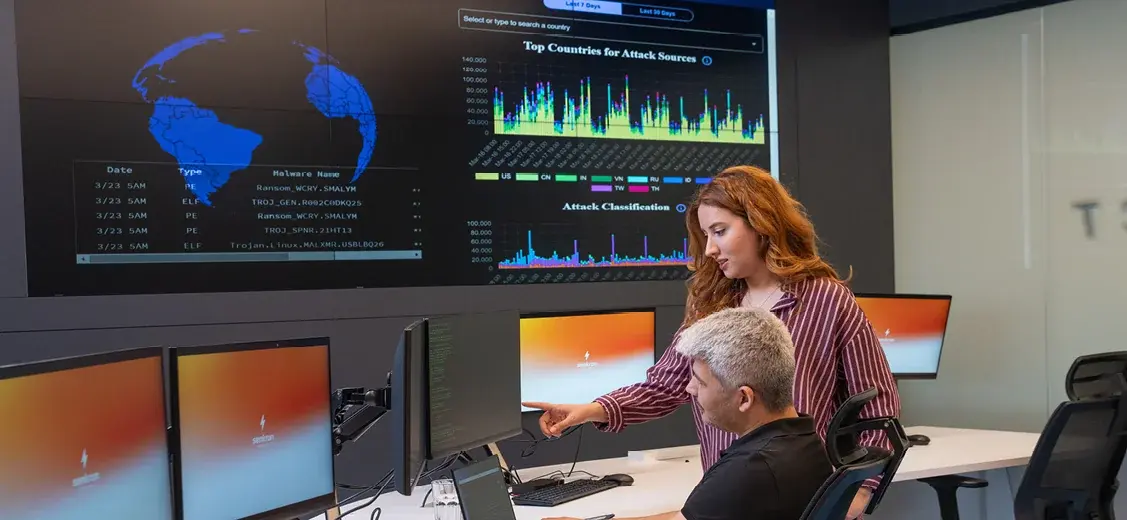
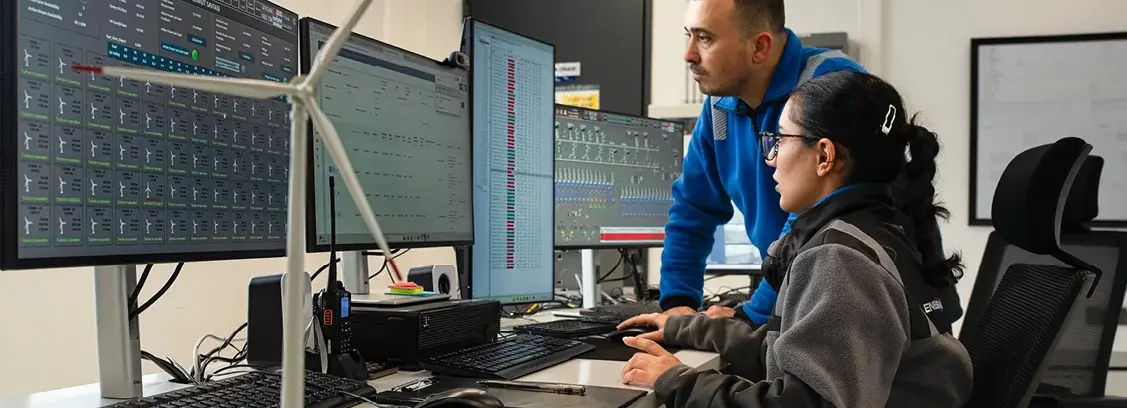
A significant milestone during the year was the deployment of the Power BI-based Environmental and Social Management Monitoring System, providing a centralized and data-driven platform for managing environmental performance across project development and operational activities. The system enables systematic monitoring of environmental obligations, stakeholder commitments, action plans, project commitments and key environmental performance indicators, including greenhouse gas emissions, air quality, noise, groundwater, wastewater, waste management and environmental flow practices. By making environmental performance more traceable, measurable and reportable, the system strengthens performance monitoring, supports data-driven decision-making and enhances alignment with evolving ESG expectations, national legislation and international standards.
Climate Performance and Resource Efficiency
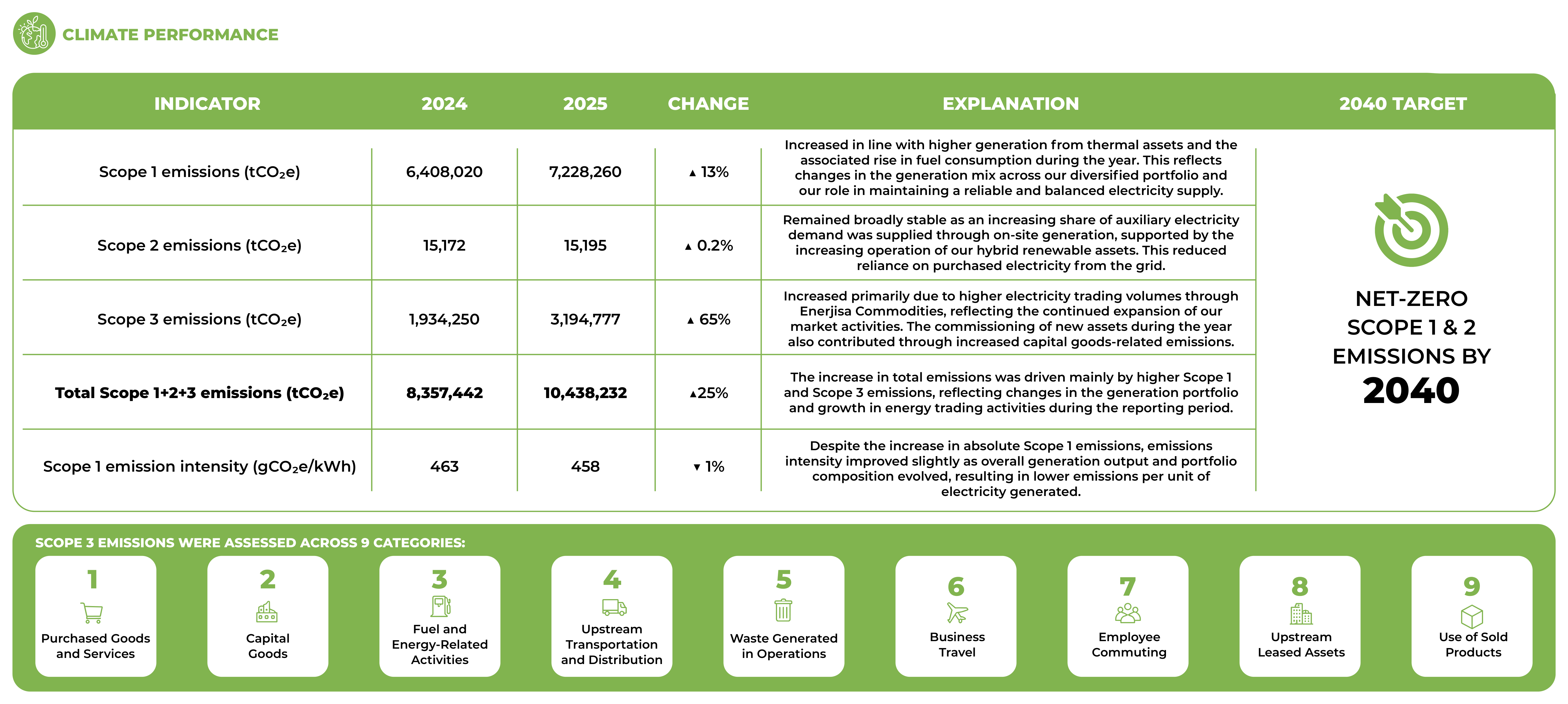
Climate performance during 2025 reflected changes in the Company’s generation portfolio, renewable generation performance, operating regime of thermal plants, fuel use, market conditions and operational efficiency practices. In line with our Climate Transition Plan, reducing emissions intensity, expanding renewable capacity, portfolio optimization and efficiency projects remained primary areas of focus.
Absolute Scope 1 emissions increased during the year in line with higher thermal generation and associated fuel consumption, while Scope 1 emission intensity improved from 463 to 458 gCO₂-e/kWh, reflecting lower emissions per unit of electricity generated as generation output and portfolio composition evolved. Scope 2 emissions remained broadly stable, as an increasing share of auxiliary electricity demand was met through on-site electricity generation from our expanded hybrid renewable assets, thereby reducing reliance on grid-purchased electricity. Scope 3 emissions increased primarily due to higher electricity trading volumes through Enerjisa Commodities and the commissioning of new assets, resulting in higher capital goods-related emissions.
Monitoring of Scope 1, Scope 2 and Scope 3 emissions continued to support transparent management of our decarbonization journey. To strengthen monitoring of value chain climate impacts, Scope 3 emissions were assessed across the categories of Purchased Goods and Services, Capital Goods, Fuel and Energy-Related Activities, Upstream Transportation and Distribution, Waste Generated in Operations, Business Travel, Employee Commuting, Upstream Leased Assets and Use of Sold Products.
Plant-level optimization of fuel, water, raw materials, auxiliary materials and energy consumption remained a priority throughout the year, supporting emissions reduction, efficient resource use and continuous environmental performance improvement.
Water Stewardship and Circular Resource Management
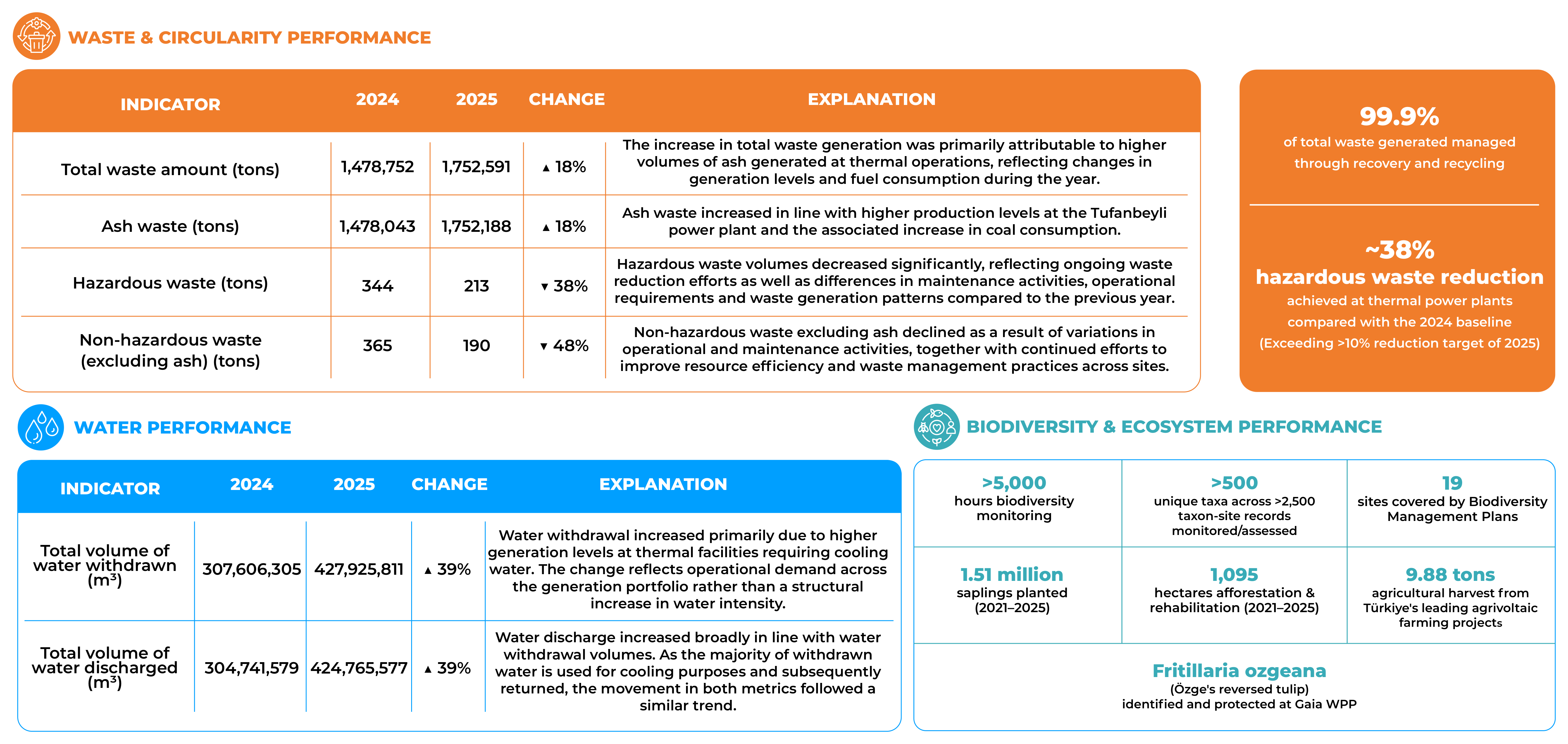
Water stewardship continued to reflect the different operational characteristics of hydroelectric, thermal and renewable generation assets. During 2025, water withdrawal and discharge both increased by approximately 39%, primarily reflecting higher generation levels at thermal facilities requiring cooling water rather than a structural increase in water intensity. As most withdrawn water is used for cooling purposes and subsequently returned, both indicators followed a similar trend.
Water withdrawal, water consumption, discharge quality and water efficiency indicators continued to be monitored across the portfolio, taking basin-specific water stress profiles and regulatory requirements into consideration. Environmental flow practices at hydroelectric power plants were monitored monthly against established threshold values, while wastewater and groundwater quality continued to be assessed through physical, chemical and biological parameters to support operational performance and continuous improvement.
During 2025, we continued to conduct Water Framework Directive (WFD)-aligned monitoring across our hydroelectric portfolio to assess and manage the impacts of operations on surface water ecosystems. The monitoring programme evaluates the ecological status and water quality indicators of receiving water bodies, providing an evidence base for adaptive management, continuous improvement and alignment with international water stewardship expectations. Operational-period WFD monitoring was carried out at upstream and downstream points of the relevant rivers, covering our hydroelectric power plants in the Seyhan and Ceyhan basins, together with Çambaşı HEPP and Arkun HEPP.
Beyond operational water management, Enerjisa Üretim is committed to supporting safely managed water, sanitation and hygiene (WASH) in the communities where it operates. In line with this commitment, 100% of employees have access to safely managed drinking water, sanitation and hygiene facilities across all operational sites, reflecting our recognition of the human right to water and sanitation and the health and wellbeing of our workforce.
We further integrated hazardous waste management into maintenance and operational planning processes across all sites, delivering measurable contributions to waste reduction, strengthened regulatory compliance, improved cost effectiveness and enhanced traceability. In line with the waste management hierarchy, trainings and operational controls were revised, chemical optimization was supported by environmentally preferable substitution practices, and segregation and recovery practices were standardized. This approach was underpinned by environmental impact assessments and site-based risk analyses, further strengthening our end-to-end waste management systems.
Through improved monitoring and reporting processes, just-in-time laboratory chemical inventory management and site-based preventive practices, hazardous waste decreased from 344 tons to 213 tons, corresponding to an approximately 38% reduction and materially exceeding our 2025 target of a 10% reduction at thermal power plants compared with the 2024 baseline. Combined with a reduction of approximately 48% in non-hazardous waste (excluding ash), corporate-level waste reduction initiatives achieved an approximately 55% reduction across thermal assets by year-end. Overall, 99.9% of total waste generated was managed through recovery and recycling, with only 0.1% sent for disposal, demonstrating a resource efficiency and circularity approach that extends beyond regulatory compliance. Further detail on our waste management approach is publicly disclosed on our website.
Biodiversity and Ecosystem Management
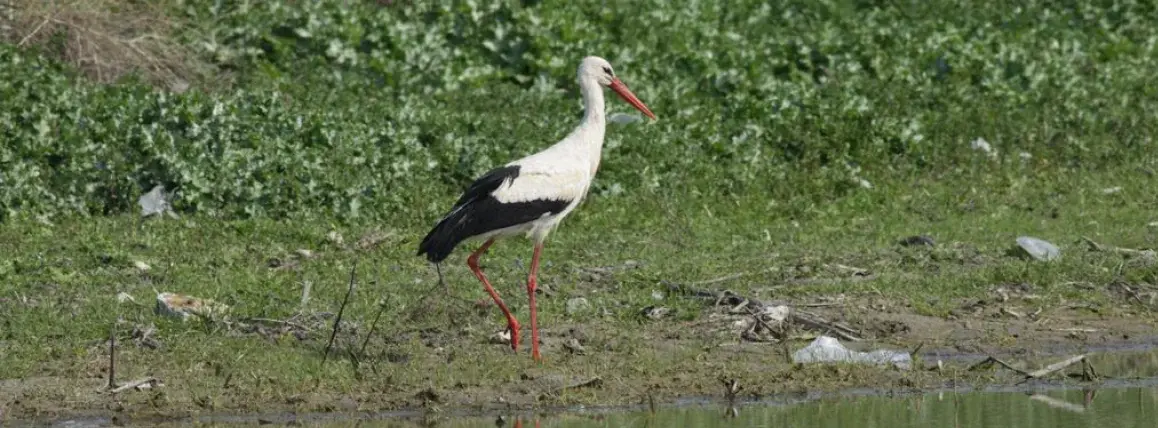
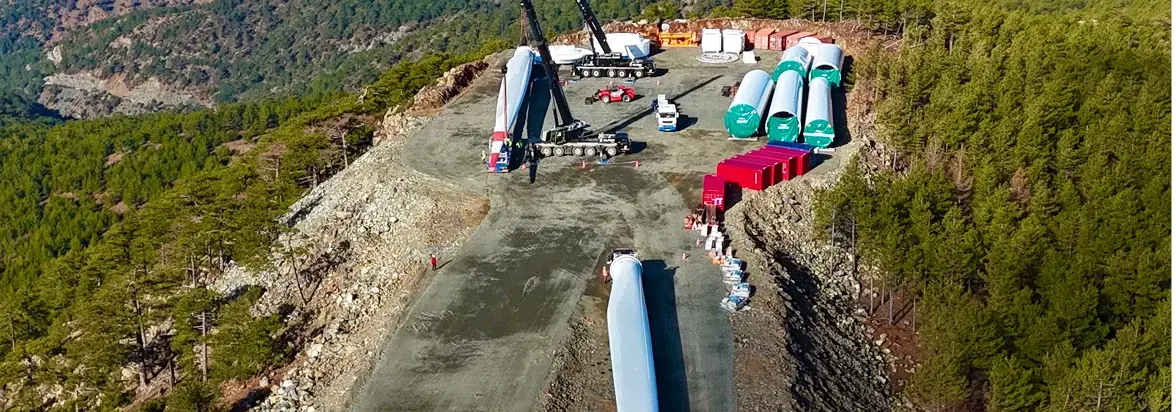
Biodiversity and ecosystem management remained an important component of environmental performance during 2025. Across renewable energy projects, habitat integrity, bird and bat monitoring studies and ecosystem sensitivities continued to be integrated into planning, construction and operational activities, while environmental management processes at YEKA projects were implemented in alignment with IFC Performance Standards. At operational hydroelectric facilities, wildlife monitoring together with fish monitoring and translocation practices supported the protection of aquatic ecosystems and local species.