Skip to content
INTEGRATED ANNUAL REPORT 2025

Envıronment We Operate In

Energy systems worldwide are being reshaped by five interlinked operating realities: decarbonization, electrification, digitalization, flexibility and resilience. For power generators, the strategic question is no longer whether the energy transition will continue, but how to deliver lower-carbon growth while maintaining affordability, system adequacy and reliability in an increasingly volatile and capital-intensive environment.

This strategic reframing reflects a structural shift in how energy security is approached. For much of the past decade, energy policy prioritized cost efficiency through lowest-cost generation, economic dispatch and margin optimization. The disruptions of the post-pandemic period, supply chain fractures following COVID-19, the Russia-Ukraine conflict and heightened regional tensions across the Middle East collectively redefined priorities. Reliability, system flexibility and the capacity to absorb and recover from supply shocks have moved from secondary considerations to primary strategic objectives. The new energy equation asks not only what is cheapest, but what is available, what is resilient and what can keep the system running under stress. Energy that is unavailable when needed carries costs that no efficiency gain from lower-cost procurement can offset. This shift has elevated three qualities as the defining test of any energy system: reliability, structural flexibility and the capacity to manage vulnerability rather than propagating it. This, in turn, increasingly favors portfolios built on diversified generation, flexible assets and advanced trading capabilities, where value is created not only through cost efficiency but through consistent delivery under stress.

Decarbonization remains the central transformation driver. Rapid deployment of wind and solar continues as technology costs decline and policy support strengthens, increasing the share of low-carbon electricity in the global energy mix. At the same time, the transition is expanding beyond renewable generation to include carbon management solutions, low-emission fuels and broader system-level decarbonization pathways, where integration and system efficiency play a more decisive role in translating capacity into realized economic output. As systems move toward deeper emission reduction targets, the focus is shifting from renewable scale alone toward system integration, residual abatement and long-term transition credibility.

Electrification is expanding the strategic role of power systems across transport, heating, industry and digital infrastructure. Electricity demand is driven not only by economic growth and industrial activity, but also by electric mobility, cooling demand, heat pumps and industrial electrification. Power systems are at the center of this shift, and countries that build reliable, low-carbon generation at scale gain a structural advantage in competitiveness, industrial resilience and long-term energy security.

Digitalization is emerging as a major system enabler across both operations and demand. Advanced analytics, artificial intelligence, remote operations, predictive maintenance and real-time monitoring are becoming essential to optimize generation portfolios, improve forecasting accuracy and manage complex market dynamics. In parallel, the rapid growth of cloud infrastructure, data centers and AI-driven computing is creating a new and structurally growing layer of electricity demand, further increasing the strategic value of reliable, continuously available and digitally managed electricity supply (IEA, Energy and AI 2025).

The transition is also becoming increasingly defined by flexibility. Higher penetration of variable renewable generation increases balancing requirements and elevates the importance of storage, hybrid systems, demand-side response, grid resilience and real-time system management. Technologies such as battery energy storage and hybrid configurations are moving from optional enhancements to core components of future power systems, improving renewable dispatchability, supporting system stability and unlocking additional value streams through participation in balancing and ancillary service markets (IEA, World Energy Outlook 2025).

Resilience has become harder to separate from the other four. Changing weather patterns are affecting generation planning, cooling requirements and infrastructure timelines; supply chain bottlenecks are stretching turbine and transformer lead times; biodiversity and ecosystem sensitivities are reshaping where and how new capacity can be built. These are no longer tail risks; they are operating constraints that directly influence project bankability, asset longevity and system continuity.

At the same time, regulatory and financial frameworks are evolving rapidly in response to these structural shifts. Instruments such as the EU Taxonomy, the EU Carbon Border Adjustment Mechanism (CBAM), ETS, emissions trading systems, carbon pricing mechanisms and broader sustainable finance and disclosure standards are reshaping capital allocation, cost of capital and competitiveness across the sector. As a result, climate alignment and transition credibility are becoming embedded in financial performance, strengthening the link between decarbonization pathways, capital access and long-term valuation. Alongside these technical and financial shifts, the social dimensions of the transition, including workforce transformation, regional economic resilience and inclusive participation, are increasingly recognized as critical enablers of project continuity and societal acceptance, reinforcing the need for transition strategies that are not only technically viable but also operationally and socially durable.

>3.5%

Global power demand CAGR to 2030

IEA, Electricity 2026

~3.7%

Türkiye electricity demand CAGR since 2010

TEİAŞ

~2X

Data centre electricity demand by 2030

IEA, Energy and AI 2025

3-6X

Mineral demand growth by 2040(NZE)

IEA, Critical Minerals 2025

In this environment, energy companies are rewarded not only for adding renewable capacity, but for managing the full complexity of the transition system: dispatchable capacity, storage, grid-facing flexibility, digital operations, carbon-data readiness, physical climate resilience and access to long-tenor capital. This framing is particularly relevant in Türkiye, one of Europe’s largest and fastest-growing electricity markets, where the ability to combine growth with reliability, flexibility and system integration defines long-term competitiveness (IRENA, Renewable Capacity Statistics 2026; TEİAŞ Electricity Statistics). In this context, Enerjisa Üretim’s value proposition is built on an integrated portfolio approach, combining renewable expansion with flexible generation assets, advanced energy trading capabilities, digital asset management and a disciplined transition pathway for carbon-intensive assets, positioning the Company to deliver resilient and sustainable performance across different market conditions.

TRANSFORMING ENERGY SYSTEMS

Megatrend 1: The New Power Equation: More Demand, More Data, More Flexibility

Image

As electrification expands the strategic role of power systems and flexibility becomes a defining system requirement, electricity is moving to the center of economic competitiveness, energy security and decarbonization. International Energy Agency (IEA) describes the current era as the “Age of Electricity”: electricity already accounts for 21% of global final energy consumption and demand is growing faster than total energy use across all scenarios, driven by electric mobility, heat pumps, cooling demand, industrial electrification and data centers (IEA, World Energy Outlook 2025). According to Ember Global Electricity Review 2026, renewables met around three-quarters of global electricity demand growth in 2024, with solar alone accounting for 40%. As renewable penetration increases, storage, hybrid systems, grid resilience and real-time balancing are becoming central to system stability.

At the same time, digitalization is reshaping the energy sector from both the supply and demand side. On the supply side, AI, advanced analytics, real-time monitoring and predictive maintenance are becoming core tools for improving availability, reducing unplanned outages and optimizing portfolio decisions. On the demand side, AI-enabled data centers are emerging as a material new and structurally growing load category. According to the IEA Energy and AI 2025 Report, electricity demand from data centers worldwide is set to more than double by 2030, rising from around 415 TWh in 2024 to approximately 945 TWh by 2030. This convergence reinforces the strategic importance of reliable, continuously available and digitally managed electricity supply, while elevating expectations around cybersecurity and operational-technology resilience.

For Enerjisa Üretim, this convergence validates the strength of an integrated operating model that combines a diversified generation portfolio with centralized digital operations through Senkron, 24/7 trading capability across domestic and international markets and storage-enabled flexibility, enabling the conversion of capacity into reliable, market-responsive output.

RISKS
  • Higher balancing requirements as variable renewable penetration increases, compounded by concentrated data-center demand stressing local grids and elevating counterparty exposure
  • Dependence on concentrated critical mineral, battery and digital equipment supply chains creating cost, availability, lead-time and geopolitical risk
  • Cybersecurity and operational technology risk rising as plants and portfolios become more connected
  • Increasing data dependency elevates the impact of data-quality gaps on operational and commercial decision-making
OPPORTUNITIES
  • Sustained demand growth lengthening the value tail of existing flexible generation assets, while co-located storage, hybrid systems and enhanced ancillary service capabilities convert intermittency and curtailment risk into incremental value and improve renewable dispatchability
  • Digital optimization unlocking availability and efficiency gains at portfolio scale, with operational data and platform capabilities evolving into standalone business lines extending beyond owned assets to third-party operators across multiple geographies
  • Demand-response, aggregation and customer-facing electrification solutions, including EV charging, emerging as distinct commercial products and adjacent revenue lines, supported by Aggregator Regulation enabling direct participation in balancing and ancillary services markets
OUR RESPONSE
  • Portfolio-level diversification through complementary natural gas, hydro, lignite, wind and solar assets, combined with 24/7 integrated trading and dispatch optimization across day-ahead, intraday and balancing markets, supported by proprietary analytical tools and automated trading algorithms
  • Energy storage moving from pilot to scalable pipeline, including operational 2 MW / 4 MWh battery energy storage system at Bandırma Energy Base, complemented by a storage-linked 500 MW wind / 500 MWh battery pre-license portfolio, with disciplined investment timing aligned with regulation, market design and project economics
  • Senkron Digital operating as a dedicated digital business and growth platform, delivering AI-supported predictive maintenance, real-time monitoring, OT cybersecurity and renewable asset management, improving plant availability and reducing unplanned downtime across owned and third-party assets, managing and securing more than 9 GW of installed capacity across more than 15 countries and four continents
  • Downstream expansion into renewable-powered EV charging through the Charging Hub model, capturing early positioning in Türkiye’s rapidly evolving transport electrification market
Related Strategic Priorities
Image

We Drive the Energy Transition Responsibly

Image

We Allocate Capital with Discipline

Image

We Ensure System Reliability

Image

We Run the Business on Data with Discipline

Related Material Topics
Image

Climate Change and Decarbonization

Image

New Technologies and Innovative Solutions

Image

Energy Supply Security

Image

Economic Performance

Megatrend 2: Beyond Renewables: The Age of Carbon Discipline

Image

Decarbonization is entering a more disciplined phase. The next challenge is moving beyond mature renewables into a narrower but more difficult question: how to reduce residual emissions while preserving firm capacity and system reliability. CCUS, low-emission fuels and other dispatchable low-carbon options appear in long-term power-system pathways, but their commercial maturity, infrastructure requirements and cost curves remain uneven (IEA, World Energy Outlook 2025). For thermal generators, these technologies should be positioned as selective options under technical and economic assessment, alongside emissions-intensity reduction, operational efficiency, hybridization and portfolio transformation.

At the same time, energy regulation is moving beyond environmental compliance toward financial and capital-allocation discipline. Carbon pricing, CBAM, IFRS S2, TSRS, the EU Taxonomy and transition-finance expectations are changing how generators disclose climate risk, allocate capital and evidence transition progress. For power producers, carbon is no longer only a policy variable; it is increasingly influencing dispatch economics, industrial customer contracts, financing terms and investor comparability. In Türkiye, the expected development of a national emissions trading framework further increases the importance of early preparedness for carbon pricing, assurance-ready data and credible transition pathways.

For Enerjisa Üretim, this translates into a proactive approach where the Climate Transition Plan, EU Taxonomy alignment, CBAM-compliant supply capabilities and carbon-pricing readiness are positioned as strategic assets, supporting both operational resilience and long-term value creation.

Potential Impacts
RISKS
  • Capital-intensive, long-lead abatement technologies, including CCUS and hydrogen, remain at early commercial stages with limited proven cost curves, exposing early movers to cost overruns and potential policy shifts
  • Marginal abatement costs rise sharply as systems approach full decarbonization, creating pressure on cost structures and investment prioritization
  • Carbon allowance cost passes through into thermal generation reshaping merit order and dispatch economics over time
OPPORTUNITIES
  • Growing demand from CBAM-exposed industrial customers for verified low-carbon, hybrid and storage-backed electricity, enabling long-term Power Purchase Agreements (PPAs) that support compliance, carbon-cost management and access to premium export markets
  • Carbon data management, national Emissions Trading System (ETS) readiness and CBAM verification services creating monetizable opportunities for operators with in-house measurement, reporting and assurance-ready platforms, including through QuickCarbon, a dedicated GHG accounting, ETS compliance and CBAM verification platform developed within the Enerjisa Üretim ecosystem
  • Early adoption of EU Taxonomy, IFRS S2, Türkiye Sustainability Reporting Standards (TSRS) and Carbon Disclosure Project (CDP) frameworks, combined with clear and modelled net-zero pathways, strengthening investor comparability, disclosure credibility and access to transition-aligned capital
OUR RESPONSE
  • Climate Transition Plan aligned with IPCC AR6 C2 and IEA Net Zero references, applying scenario modelling and linking emissions-intensity reduction, technology optionality and capital allocation

  • Climate-related considerations embedded into investment appraisal, portfolio planning and risk management, with technology choices evaluated against system reliability, Türkiye’s market dynamics and the cost of residual abatement
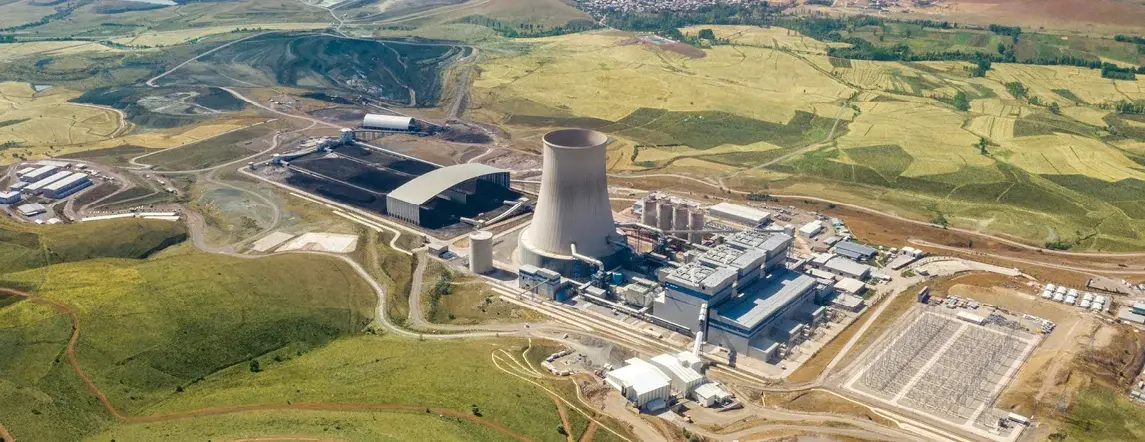
  • Integrated flue-gas treatment and carbon capture pilot under technical and economic assessment at Tufanbeyli Energy Base, evaluating CO₂ capture alongside other pollutants and potential conversion into circular-economy inputs, with emissions reduction linked to carbon-pricing and CBAM-era market conditions

  • Early positioning for Türkiye’s emerging carbon pricing framework, development of CBAM-compliant renewable electricity supply capabilities for European industrial customers and alignment with international investor and lender expectations
Related Strategic Priorities
Image

We Optimize Value Across Markets

Image

We Drive the Energy Transition Responsibly

Image

We Allocate Capital with Discipline

Related Material Topics
Image

Corporate Governance and Business Ethics

Image

New Technologies and Innovative Solutions

Image

Climate Change and Decarbonization

Image

Economic Performance

Megatrend 3: From Pledges to Proof: Climate Finance in the Execution Era

Image

Climate and transition finance is moving from a niche sustainable-finance segment into a central pillar of energy-sector capital allocation. Global energy investment reached approximately USD 3.3 trillion in 2025, with clean energy attracting roughly twice as much capital as fossil fuels (IEA World Energy Investment 2025). At the same time, capital is becoming more selective with investors, lenders and development finance institutions increasingly distinguishing between broad decarbonization ambition and bankable transition plans supported by contracted cash flows, taxonomy alignment, credible disclosure and measurable execution.

This selectivity is reinforced by fragmenting ESG and regulatory landscape. In the United States, federal climate policy has shifted since early 2025, including withdrawal from the Paris Agreement and rollback of key climate regulations. In Europe, the EU Omnibus I Directive entered into force in March 2026, reducing CSRD and CS3D scope by approximately 80%. In contrast, Türkiye is actively building its climate regulatory architecture, with the Climate Law establishing the legal basis for a national ETS and Green Taxonomy, mandatory sustainability reporting under TSRS taking effect, and the country preparing to host COP31 in 2026. The result is not the end of sustainability, but a repricing of it: capital continues to flow where the business case remains clear, increasingly justified by competitiveness, reliability and bankability rather than ESG narratives alone.

This shift is particularly relevant for emerging markets, where strong renewable resource potential and electricity demand growth are balanced against structural constraints such as cost of capital, currency volatility and access to long-tenor finance. In this context, differentiated access to capital becomes a key competitive advantage. For Enerjisa Üretim, contracted and USD-indexed revenue structures, DFI partnerships and a robust Green Finance Framework provide access to differentiated capital on competitive terms, supporting scalable and disciplined growth.

Potential Impacts
RISKS
  • Higher cost of capital and Foreign Exchange (FX) volatility constraining long-term renewable, storage and flexibility investments, particularly in emerging markets where currency risk and limited access to long-tenor finance remain structural challenges
  • Rising disclosure expectations, evolving taxonomy criteria, increasing assurance requirements and ESG politicization collectively raising the threshold for sustained capital access and investor credibility, while creating planning and communication complexity across diverging regulatory environments
  • Limited technological and operational maturity of battery storage solutions constraining bankability and access to project financing, as lenders require proven performance track records before committing long-tenor financing
OPPORTUNITIES
  • Operators with contracted, USD-indexed and transition-aligned cash flows, supported by sustainable finance frameworks, DFI partnerships and verified climate transition plans, are better positioned to access dedicated green and transition capital pools and benefit from more competitive financing conditions
  • Business-case-led sustainability strategies that improve returns, resilience and competitiveness proving more durable across political cycles than narrative-led ESG positioning, with renewable growth, storage and flexibility valued as business drivers
  • Operators with bankable, scalable and financially disciplined transition projects differentiating in capital markets from narrative-led ESG peers, as investors and lenders increasingly reward measurable execution, transparency, and delivery over ambition-setting
OUR RESPONSE
  • Bankable transition platform combining renewable growth, flexible generation, contracted cash flows and a defined transition pathway, with more than 50% of EBITDA expected to be secured by the end of 2027, with a comparable share USD-linked, supported by YEKA, YEKDEM and the EÜAŞ PPA
  • Disciplined leverage profile with Net Debt / EBITDA at 3.2x at year-end 2025, projected to decline below 3.0x as newly commissioned assets ramp up
  • Green Finance Framework and EU Taxonomy alignment, sustainability-linked instruments and relationships with international development finance institutions providing access to dedicated green and transition capital pools

  • Strong focus on use-of-proceeds discipline, eligible-activity definition, impact reporting and evolving assurance readiness, strengthening lender confidence, investor credibility and alignment with rising disclosure thresholds
  • Sustainability and transition agenda grounded in business fundamentals, with renewable expansion, storage, flexibility and digital optimization pursued as scalable and financeable investments supported by Türkiye’s structural demand growth, rather than narrative-led ESG positioning
Related Strategic Priorities
Image

We Allocate Capital with Discipline

Image

We Optimize Value Across Markets

Image

We Drive the Energy Transition Responsibly

Related Material Topics
Image

Corporate Governance and Business Ethics

Image

Climate Change and Decarbonization

Image

Economic Performance

Image

Risk and Crisis Management

Megatrend 4: The New Operating Reality: Energy Security, Climate and Nature

Image

Resilience is no longer a separate risk topic; it has become a core operating condition. Geopolitical tensions, trade restrictions and regional conflicts are turning energy security into a structural priority alongside decarbonization and affordability. The impact extends beyond fuel markets: clean-energy supply chains are also exposed to concentrated refining capacity, export controls, mineral price volatility and longer lead times for turbines, transformers, inverters and battery components. IEA (Global Critical Minerals Outlook 2025) estimates that demand for key energy minerals will continue to rise strongly through 2040, while refining remains concentrated in a limited number of jurisdictions.

At the same time, physical climate stress and nature loss are becoming direct operating constraints. Extreme weather, drought, flooding, wildfire risk and hydrological variability are affecting generation reliability, cooling requirements and infrastructure timelines across energy markets. WRI Aqueduct identifies Türkiye under ‘high water stress’ conditions (score 3.39), with direct implications for hydro generation potential, thermal cooling water availability and long-term asset resilience. WEF’s Global Risks Report 2026 ranks extreme weather events as the top long-term global risk to 2036, while biodiversity loss and ecosystem collapse rank second. Adaptation, water stewardship and biodiversity governance are moving from peripheral environmental programs toward core operating disciplines tied to project bankability, asset performance and system continuity.

For Enerjisa Üretim, a diversified portfolio of domestic and renewable resources, complemented by long-term OEM relationships, in-house engineering capability and structured biodiversity governance, provides a resilient operating platform capable of navigating supply chain, climate and ecosystem disruptions.

Potential Impacts
RISKS
  • Supply chain fragmentation across fuel, equipment and critical minerals, with imported fuel price volatility affecting thermal generation economics, longer lead times for turbines, transformers, inverters and battery components disrupting project delivery, and concentration risk in tier-1 OEM dependency creating exposure to capacity constraints and pricing pressure
  • Drought, hydrological volatility, extreme weather events and wildfire risk affecting hydro generation potential, thermal cooling requirements, construction timelines and infrastructure resilience across the portfolio
  • Biodiversity sensitivity, protected areas and ecosystem degradation increasing permitting complexity, lender requirements and reputational and execution risks for new project development
OPPORTUNITIES
  • Domestic and renewable-heavy portfolios gaining strategic importance as energy-security considerations rise, with multi-technology operators combining long-term OEM relationships, multi-vendor procurement and in-house engineering, construction and procurement capability better positioned to manage supply chain volatility
  • Climate-resilient portfolio planning, adaptation investments and predictive monitoring strengthening generation reliability, reducing operational downtime and protecting long-term asset value
  • Early integration of biodiversity screening, mitigation hierarchy and habitat-positive design improving project bankability, lender confidence and long-term license to operate
OUR RESPONSE
  • Diversified generation portfolio providing a structural hedge against fuel, weather, market and policy volatility, with approximately 63% of installed capacity based on domestic and renewable resources, and a natural portfolio balance where drought-driven hydro shortfalls are partially offset by higher market prices benefiting thermal and wind assets, reducing overall revenue volatility
  • Procurement resilience supported by long-term strategic relationships with tier-1 OEMs, a multi-vendor approach and in-house project development, engineering and construction capability, anchored by a landmark partnership with Nordex Group covering YEKA-2 WPP and YEKA-2024 WPP wind turbine supply with structured supply chain ESG governance including Tier-2 supplier audits and formal action tracking
  • Operational modernization at Tufanbeyli Energy Base through MadenNEXT, contributing to safer mining operations, lower diesel dependency and new technical capabilities as part of the site’s long-term managed transition
  • Physical climate risk integrated into operational and financial planning, with hydrological variability, drought, water stress and climate scenario analysis informing adaptation priorities, investment decisions and business continuity across all asset classes, and water availability and ecosystem integrity managed as strategic dependencies for energy generation
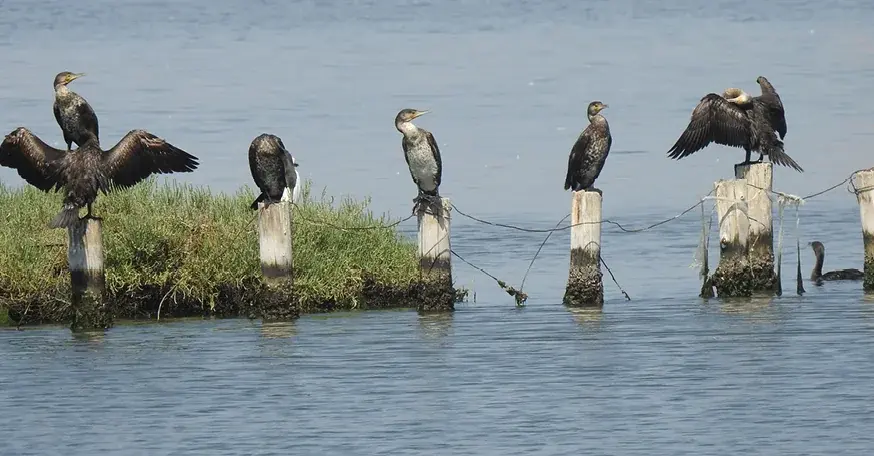
  • Biodiversity governance embedded into project development through WRI Aqueduct screening, TNFD-aligned methods, site-level assessments and the mitigation hierarchy in practice, including on-demand turbine shutdown protocols at Akköy WPP, post-construction fatality monitoring across all operational YEKA-2 WPP sites, and voluntary withdrawal from a planned development in Muğla and turbine repositioning in Balkaya to avoid ecologically sensitive areas
Related Strategic Priorities
Image

We Allocate Capital with Discipline

Image

We Drive the Energy Transition Responsibly

Image

We Optimize Value Across Markets

Image

We Ensure System Reliability

Related Material Topics
Image

Climate Change and Decarbonization

Image

Biodiversity and Ecosystem Protection

Image

Water and Waste Management

Image

Supply Chain Management

Image

Economic Performance

Image

Risk and Crisis Management

Megatrend 5: The People Equation: Workforce, Communities and Regional Transformation

Image

The energy transition is increasingly constrained by people as much as by capital, grids or technology. Renewable generation, storage, grid infrastructure, digital operations and customer-facing energy services all require new combinations of engineering, operational, data and safety capabilities. IRENA (Renewable Energy and Jobs 2024) estimate that renewable energy employment reached 16.2 million jobs in 2023, while IEA (World Energy Employment 2024) reports that total energy employment exceeded 67 million workers in the same year. For energy operators, reskilling, internal mobility, inclusive talent pipelines and long-term capability retention are no longer human resources (HR)-specific priorities, but core operational requirements that directly influence execution capacity and system performance.

At the same time, the credibility of the transition increasingly depends on whether carbon-intensive regions, workforces and local economies can be supported through structural change. International frameworks such as the ILO Just Transition Guidelines, EBRD Environmental and Social Policy and IFC Performance Standards place growing emphasis on site-specific transition planning, stakeholder engagement, skills development and post-operational land-use. The focus is shifting from accelerated closure toward managed transformation that addresses employment continuity, regional economic resilience, community trust and environmental rehabilitation.

For Enerjisa Üretim, Türkiye’s first site-specific just transition roadmap at Tufanbeyli Energy Base, dedicated reskilling programs, a long-tenure workforce model and targeted initiatives for women’s participation in the energy sector demonstrate a structured and scalable approach to managing the human dimension of the transition alongside asset transformation.

Potential Impacts
RISKS
  • Transition timelines that ignore workforce and community realities creating political, regulatory and reputational exposure, with skills and livelihoods concentrated around carbon-intensive assets unlikely to be redeployed without deliberate planning and investment
  • Construction, operations, digital and advanced analytics capability increasingly contested across the sector, with new specialisms including storage, hydrogen and advanced O&M requiring multi-year training horizons
  • Demographic turnover accelerating loss of institutional knowledge in long-cycle technologies, where decades of operational experience cannot be replaced through recruitment alone
OPPORTUNITIES
  • Site-specific just transition planning strengthening license to operate and lender confidence, with early voluntary action, reskilling, local economic development and renewable redevelopment differentiating coal-exposed operators and helping relocate economic value within affected regions
  • Strong employer brands and long-tenure workforce compounding institutional knowledge, attracting scarce engineering and operating capability and creating a structural advantage in long-cycle assets
  • Diverse and inclusive workforces correlating with stronger safety, retention and innovation outcomes, with targeted programs for women’s participation and progression strengthening talent pipelines across technical and leadership roles in the sector
OUR RESPONSE
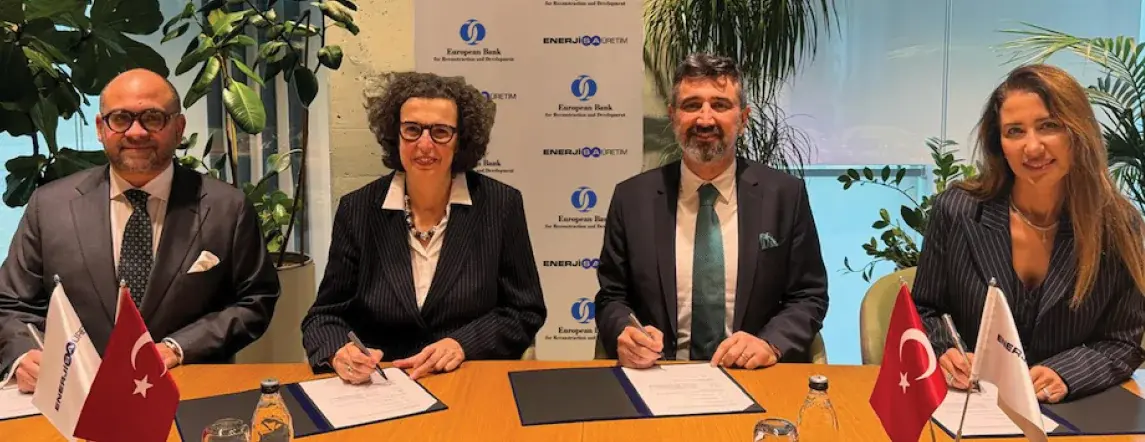
  • Tufanbeyli Energy Base managed through Türkiye’s first site-specific Just Transition Roadmap aligned with the Climate Transition Plan’s 2040 net-zero pathway, supported by dedicated EBRD technical assistance financing

  • Nationally and internationally accredited renewable energy skills certification, targeted reskilling for workers and local youth, women’s participation programs and rural economic diversification, positioning just transition as a capability-building agenda rather than solely a risk mitigation exercise
  • Workforce model built around long-term organizational capabilities, internal mobility and cross-technology rotation, with long average tenure, a high share of internally filled leadership positions and engineers and operators moving across thermal, renewable, storage and digital contexts to strengthen integrated portfolio capabilities
  • Dedicated programs including REDKA, the Wind Technicians program developed with Enercon and the Womentum early-career development program supporting women’s participation across engineering, technical and leadership tracks, with Ovacık WPP demonstrating how targeted capability-building translates directly into operational delivery as the first wind facility in Türkiye operated entirely by an all-women team
Related Strategic Priorities
Image

We Empower Human Potential

Image

We Drive the Energy Transition Responsibly

Image

We Allocate Capital with Discipline

Related Material Topics
Image

Human Rights and Inclusion

Image

Gender Equality

Image

Health, Safety and Working Conditions

Image

Social Responsibility

Image

Climate Change and Decarbonization

Image

Türkiye’s electricity market is entering a new phase shaped by demand growth, rapid renewable expansion, tightening reserve margins, grid investment requirements and a fast-developing climate regulation architecture. As electrification accelerates across industry, transport, buildings and digital infrastructure, electricity is becoming central to Türkiye’s economic competitiveness, energy security and decarbonization agenda.

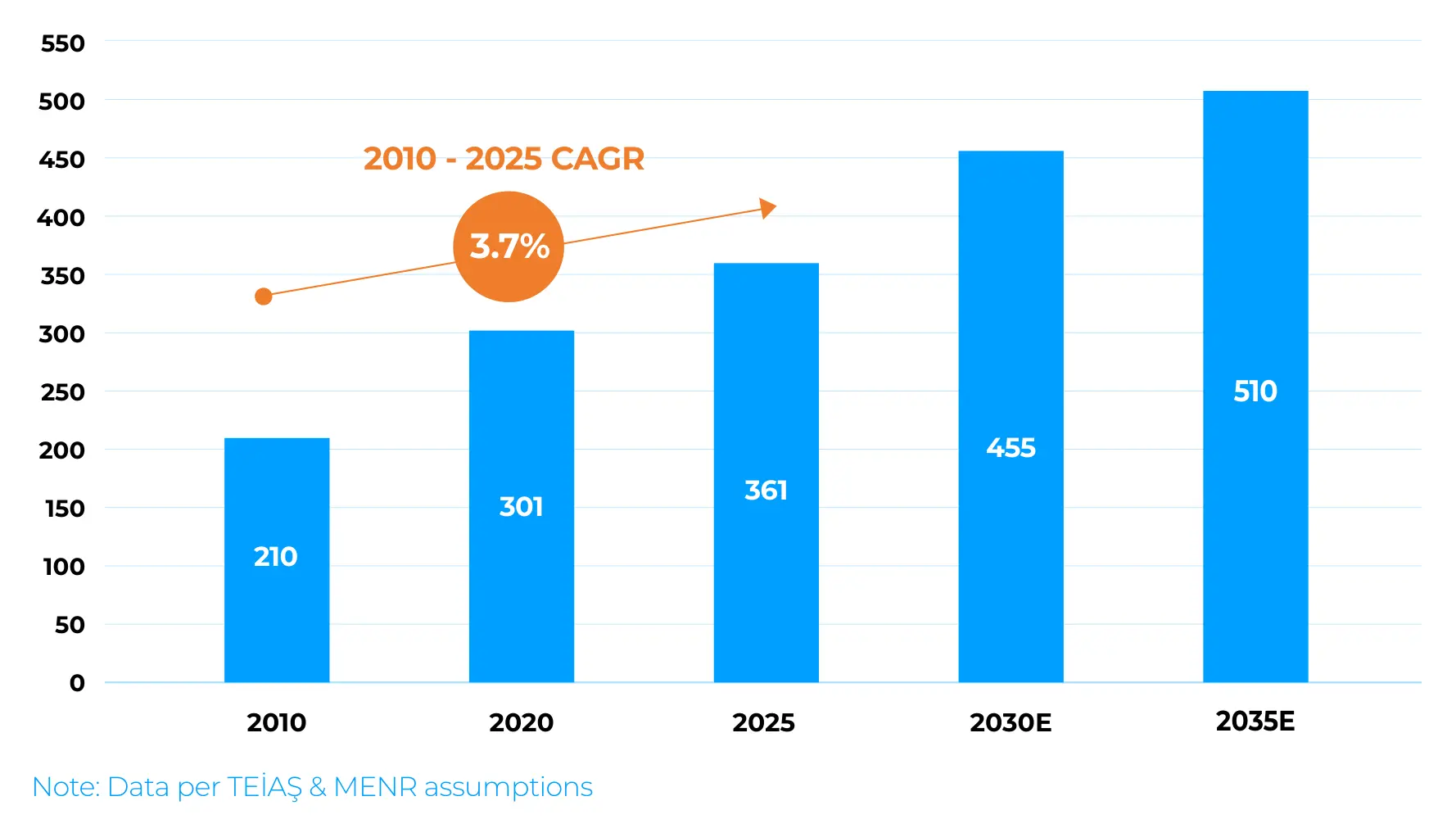
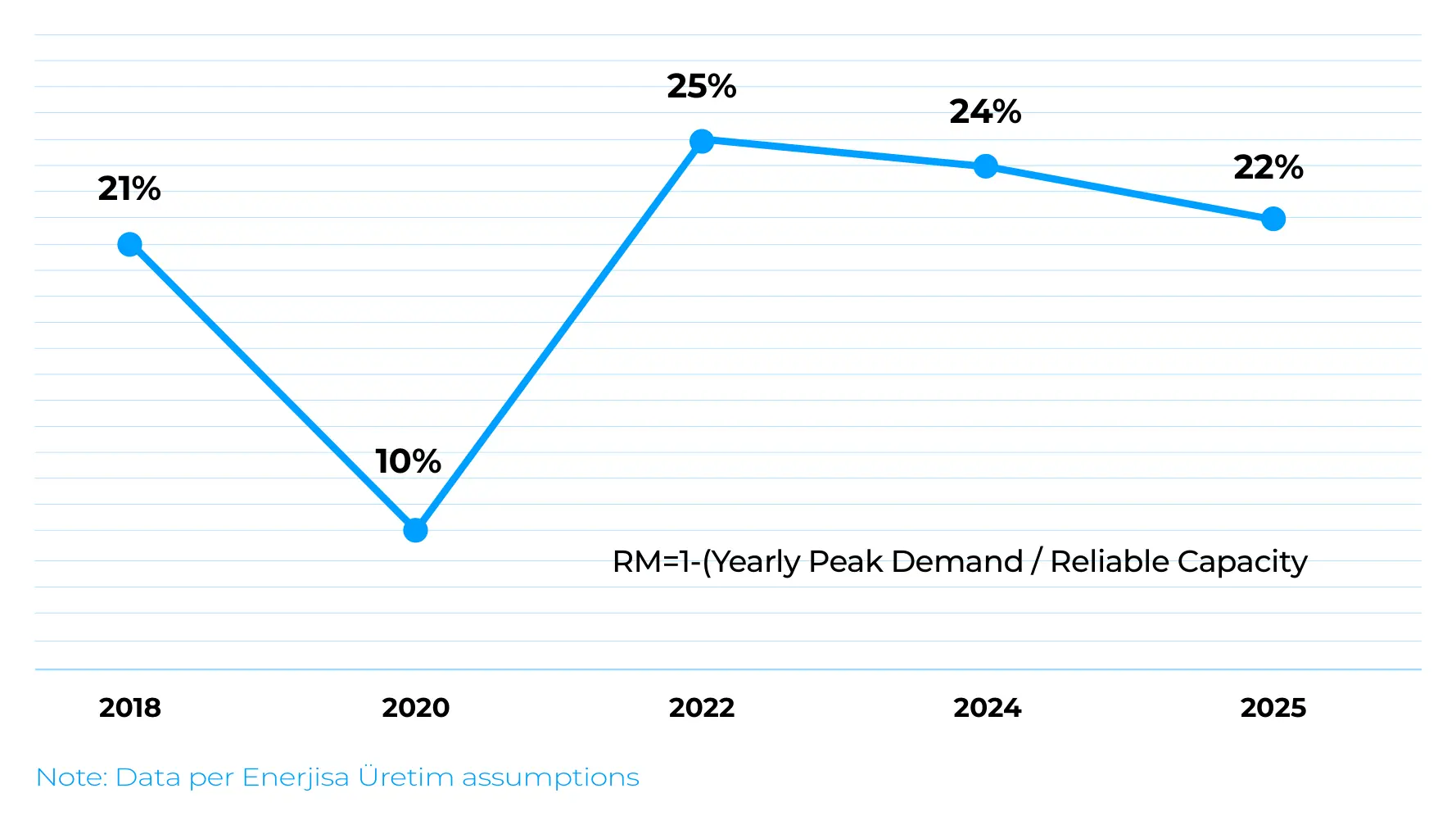
Demand growth remains the primary anchor of the market. Electricity consumption reached 361 TWh in 2025 (TEİAŞ, Electricity Statistics) and is projected to rise to 455 TWh by 2030 and 510 TWh by 2035 (MENR, National Energy Plan 2022), reflecting sustained electrification, economic growth and rising system demand. Türkiye’s electricity demand is projected to grow faster than that of any G20 economy in the OECD, driven by industrial activity, urbanization and rising cooling needs (IEA, Electricity 2026). Demand has compounded at approximately 3.7% per year since 2010, well above the European average, with the highest hourly system load of the year recorded on 28 July 2025 at approximately 59.2 GW, and the highest daily generation reaching approximately 1,250 GWh on 29 July 2025, both marking all-time national records. At the same time, reserve margins have tightened in recent years as demand growth increasingly outpaces system expansion, reinforcing the value of available, flexible and dispatchable generation, particularly during peak demand periods.

Türkiye’s Electricity Demand (TWh)

Image

While installed renewable capacity continues to grow rapidly, system adequacy increasingly depends on the availability of dispatchable and flexible capacity, particularly during peak demand, low renewable output and hydrological stress periods. Limited appetite for new firm-capacity investment, driven by regulatory uncertainty and constrained merchant returns, is tightening reserve margins and reinforcing the strategic value of existing flexible generation assets capable of responding to system stress.

Türkiye Reserve Margin Trend

Image

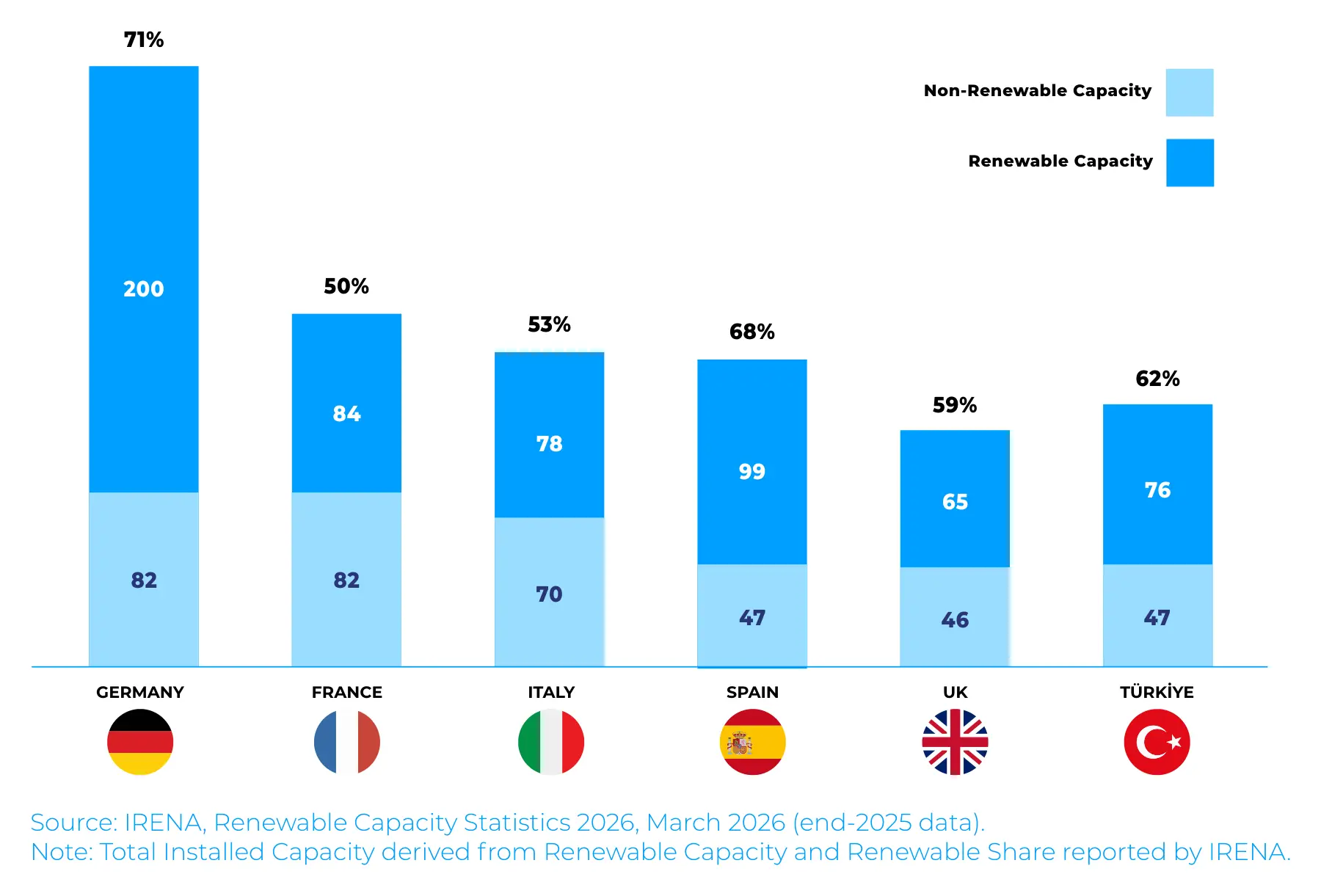
Türkiye is also among the largest electricity markets in Europe byinstalled capacity. Total installed capacity reached 122.5 GW as of December 2025, with renewables representing approximately 62% of the system (76.3 GW), according to the Ministry of Energy and Natural Resources. Solar has become the fastest-growing technology, reaching 25.1 GW, while wind reached 14.8 GW and hydropower remained the largest renewable category at 32.3 GW. Capacity has more than tripled since 2010, with renewable growth increasingly reshaping the structure of the generation mix and system operations.

Total Installed Capacity by Country in 2025 (GW)

Image

This transformation is occurring alongside a continued need for system adequacy and flexibility. Türkiye’s reliance on imported fuels, particularly natural gas, remains a structural feature of the market, exposing electricity generation costs to global commodity prices and foreign exchange movements. However, compared with more structurally constrained import-dependent markets, Türkiye benefits from a diversified supply structure supported by multiple pipeline connections, LNG import capacity, FSRU terminals, underground storage facilities and a portfolio of long-term and spot-indexed contracts. In this context, supply diversification, domestic renewable expansion and disciplined risk management remain critical to mitigating supply shocks and external price volatility. The natural gas pricing framework adds a further layer of complexity. BOTAŞ, as Türkiye’s dominant wholesale gas supplier, applies differentiated tariffs to power producers and industrial consumers, with regulated gas prices for power plants adjusted multiple times since 2023. Several major pipeline import contracts, including supply from Russia and Iran, are expiring between late 2025 and mid-2027, while new LNG supply agreements and the ramp-up of domestic production from the Sakarya offshore gas field are expected to reshape the supply mix and moderate import dependency over the medium term (OIES, 2025).

The interaction between regulated gas tariffs and administered wholesale price caps introduces an additional margin dynamic. Where fuel-cost increases are not fully reflected in power price ceilings, flexible gas-fired assets face compressed spark spreads, shifting value capture toward balancing markets, ancillary services and intraday optimization rather than baseload dispatch, creating differentiated value pools for operators with advanced trading and portfolio management capabilities.

As renewable penetration increases, flexibility, balancing capability and grid resilience are becoming critical. Hybrid capacities, energy storage systems, aggregation models and advanced forecasting capabilities are moving closer to the center of market design and operational planning.

EMRA has allocated 33.1 GW of pre-licensed storage-integrated generation capacity across 676 projects as of March 2025, comprising

18.4 GW wind and 14.7 GW solar (EPDK, March 2025), while the Aggregator Regulation, effective from January 2025, enables aggregation of distributed generation and demand-side resources in balancing and ancillary services markets. In parallel, recent amendments to the Balancing and Settlement Regulation have restructured Balancing Responsible Group (DSG) operations by capping hourly imbalance synergy allocations at 10% of market volume per participant, materially reducing synergy revenues across the sector and increasing the importance of portfolio-level forecasting accuracy and real-time optimization capability.

At the same time, Türkiye’s renewable ambitions are increasing the need for significant grid modernization and balancing investments. The National Energy Plan initially targeted 90 GW of variable renewable energy by 2035, with grid investment needs estimated at approximately USD 28 billion, nearly quadruple TEİAŞ’s historical average annual investment budget (CIF, Transforming Power Transmission System Project, 2025). The subsequent Renewable Energy Roadmap raised this target to approximately 120 GW, implying even greater transmission and grid integration requirements. In August 2025, the World Bank approved a USD 748 million financing package for the first phase of this program, supporting new high-voltage substations, grid digitalization and Türkiye’s first HVDC corridors. Increasing renewable penetration without proportional grid expansion raises curtailment risk and reduces realized capacity factors, directly affecting generation economics and the bankability of new renewable projects. Transmission bottlenecks and connection queue delays are becoming binding constraints on deployment velocity, reinforcing the importance of grid investment as a prerequisite for, not a consequence of, renewable capacity growth, while creating opportunities for operators able to optimize location, connection strategy and portfolio flexibility.

The cost structure of new renewable entry has shifted fundamentally. Utility-scale solar LCOE has declined by approximately 90% since 2010, reaching USD 0.043/kWh globally in 2024, while onshore wind reached USD 0.034/kWh (IRENA, Renewable Power Generation Costs in 2024) in both cases below the cost of new fossil fuel generation. In Türkiye, this cost compression is reinforcing the economic case for renewable expansion alongside its energy security and decarbonization benefits.

At the same time, project delivery timelines remain constrained by permitting complexity. Before the 2025 reform establishing a consolidated permitting framework, utility-scale projects routinely required approval from more than twelve separate authorities, extending timelines to 36–48 months. The reform is expected to reduce approval periods to approximately 18 months for both wind and solar, though grid connection availability and the conversion rate of pre-licensed capacity into commissioned projects remain binding constraints on deployment velocity.

These structural changes are also reshaping price formation and market behavior. Electricity prices are increasingly influenced not only by traditional drivers such as fuel costs and hydrology, but also by renewable generation profiles, demand variability, grid constraints and balancing market conditions. As a result, market dynamics are becoming more volatile and multi-dimensional, elevating the importance of commercial optimization, dispatch capability and disciplined risk management.

As solar penetration increases, intraday price formation is becoming more volatile, with lower or negative prices during solar-heavy hours and sharper price signals during post-solar evening ramps. In parallel, growing overlap between solar and hydro output during the same hours is compressing midday revenues for both technologies, reinforcing the case for storage, time-shifting capability and flexible dispatch. This pattern increases the value of reservoir hydro optimization, battery storage, flexible thermal assets and integrated trading capabilities.

In parallel, Türkiye’s regulatory architecture is evolving rapidly toward a more climate-aligned market structure. The Climate Law (Law No. 7552, 2 July 2025) established the legal basis for a national ETS, the Carbon Markets Board, the Climate Change Directorate and a Green Taxonomy framework, though the taxonomy itself has not yet been published as secondary legislation, while also creating the foundation for a CBAM equivalent domestic mechanism.

The Türkiye ETS pilot phase is expected to begin in 2027, with power generation, cement, iron and steel, aluminum and fertilizers among the in-scope sectors — though all allowances will be allocated free of charge during the pilot period, with full compliance obligations beginning from 2028 (Law No. 7552, ETS Draft Regulation, July 2025).

EPDK decisions introduced the operational pricing infrastructure for ETS allowance trading and accelerated hybrid renewable configurations through new capacity allocations. Together with the EU CBAM definitive phase beginning in 2026 and taxonomy requirements expected to become mandatory for TSRS scoped entities from 2027 onward, these developments are moving the market from a largely voluntary sustainability framework toward a more formalized structure integrating carbon pricing, taxonomy alignment, flexibility and transition finance considerations.

This transition also carries direct economic implications for industry and capital allocation. A joint study conducted by EBRD and Climate Focus (2023) estimates annual CBAM-related costs for Turkish industry at approximately EUR 138 million in 2027 under a €75/tCO₂e carbon price scenario, rising to around EUR 2.5 billion by 2032 under a €150/tCO₂e scenario.

The cost gap is directing investment toward verified low-carbon electricity supply, renewable capacity and transition-aligned financing structures. Türkiye’s corporate PPA market remains at an early stage but is gaining structural momentum. The expiry of initial YEKDEM purchase guarantee periods is creating a growing incentive for renewable developers to seek contracted revenue through bilateral offtake agreements with industrial consumers, while CBAM-exposed exporters increasingly require verified low-carbon electricity supply as part of their compliance and competitiveness strategies. However, Türkiye’s corporate PPA framework remains less developed than those in the US and EU, where standardized contract structures, established intermediation platforms and deeper secondary markets support bankability and counterparty confidence. The absence of comparable mechanisms in Türkiye increases transaction complexity and limits the pace at which bilateral offtake agreements can scale, even as underlying demand grows. Further regulatory and market development in this area would unlock significant value for both renewable developers and industrial consumers seeking long-term price visibility and verified low-carbon supply. At the same time, renewable energy certificates, voluntary carbon credits and carbon-data-backed customer solutions are becoming increasingly relevant commercial tools as CBAM-exposed industrial exporters and multinational corporates seek verified Scope 2 traceability and transition-aligned electricity supply.

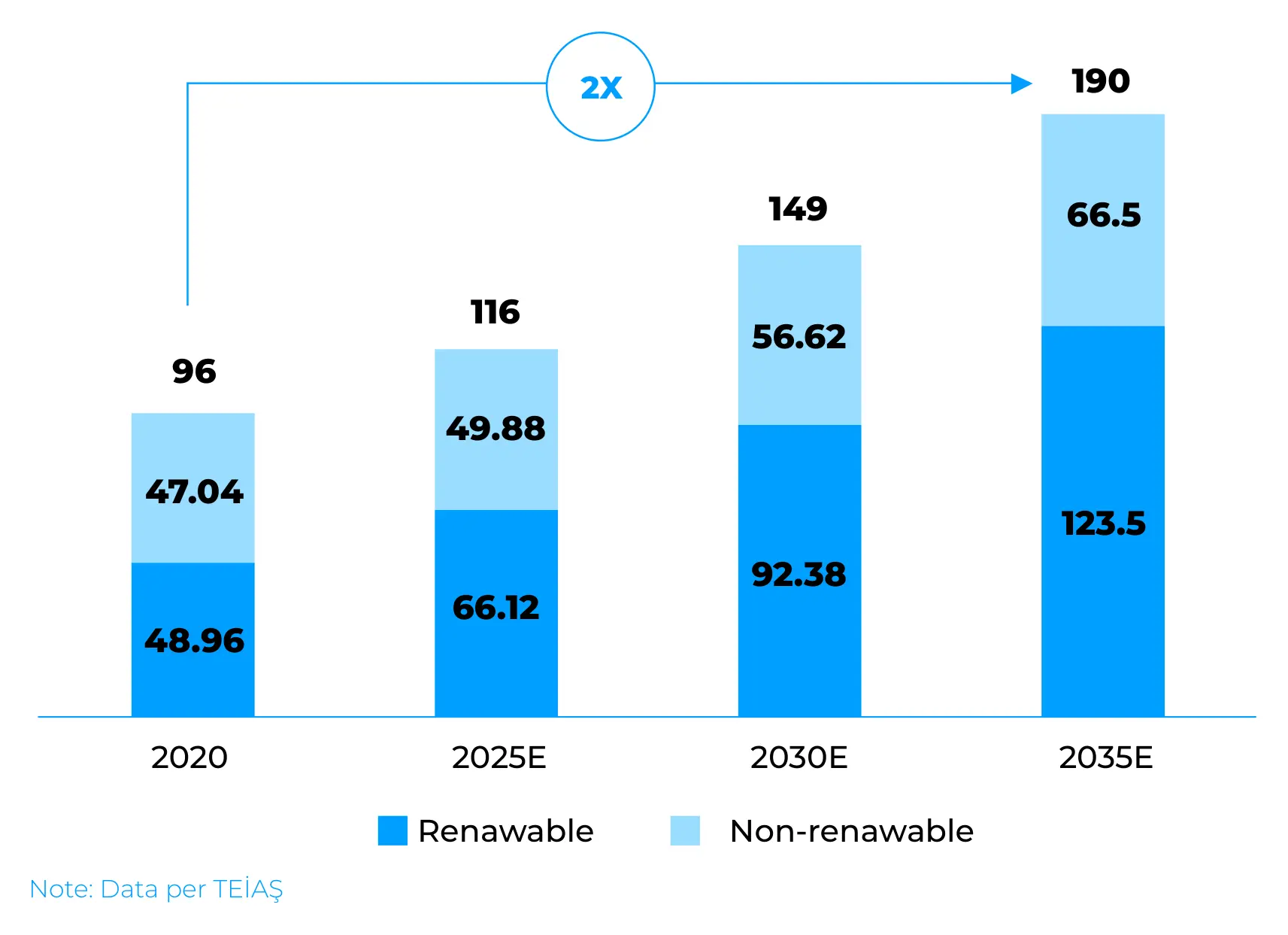
Looking ahead, Türkiye’s long-term pathway points toward approximately 120 GW of solar and wind capacity by 2035, alongside around 5 GW of offshore wind ambition and the staged commissioning of the Akkuyu nuclear plant, with the first 1,200 MW unit expected in 2026 and full 4,800 MW capacity targeted by approximately 2029–2030 according to the current revised schedule. COP31, to be hosted in Antalya in 2026, will further place Türkiye’s climate and transition pathway under direct international visibility. In this market, the operators best positioned are those that can combine renewable growth with system balancing, demonstrate execution under volatile market conditions and maintain credibility with both lenders and regulators.

Total Installed Capacity Forecast (GW)

Image
Image

Enerjisa Üretim operates at the intersection of a rapidly transforming global energy system and Türkiye’s evolving regulatory and market environment. As decarbonization, electrification and flexibility needs reshape power systems, Türkiye continues to reflect strong demand growth, rising renewable penetration, increasing grid investment needs and continued import-fuel exposure. Enerjisa Üretim translates these dynamics into an integrated generation, trading and digital platform that combines renewable growth with dispatchable capacity, storage, advanced commercial optimization and data-driven asset management – enabling the conversion of system dynamics into reliable and monetizable output.

Our approach is anchored in a disciplined capital allocation and a renewable-led growth strategy aligned with both global transition trends and Türkiye’s evolving regulatory landscape. We prioritize projects that provide long-term revenue visibility, cost competitiveness and strategic system contribution, while maintaining financial resilience and strategic positioning. Within this framework, YEKA projects represent a cornerstone of our growth model. YEKA-2 wind projects, with a total committed capacity of 1,000 MW, significantly expand our renewable footprint, while YEKA-2024 wind projects, with 750 MW secured capacity, further reinforce a selective and scalable investment approach under evolving market conditions. These projects provide contracted and predictable revenue capacity through regulated mechanisms while supporting domestic renewable capacity growth and reducing exposure to import-driven cost volatility. Delivery is underpinned by a landmark turbine procurement agreement with Nordex Group, covering YEKA-2 and YEKA-2024 wind projects, representing one of the largest OEM contracts in Türkiye’s renewable energy sector. In February 2026, Enerjisa Üretim became the first company in Türkiye to exceed 1,000 MW of installed wind power capacity through 16 wind power plants*, reflecting the scale and execution pace of its renewable-led growth strategy, and now ranks among Europe’s top ten private sector wind energy operators by installed capacity.

Scale and diversification remain central to our ability to operate effectively in a complex and fast-evolving market environment. We manage a diversified generation portfolio of approximately 4,333 MW and contribute around 4-5% of Türkiye’s total electricity generation, with approximately 63% of our installed capacity based on domestic and renewable resources. This diversified structure provides a natural hedge against external shocks, including fuel price volatility and foreign exchange risk, while supporting consistent system contribution and financial resilience across varying market conditions.

A balanced portfolio structure underpins this approach. Our 1,587 MW natural gas fleet provides fast ramping capability and operational responsiveness, supporting dispatchability, balancing capability and system flexibility as renewable penetration increases. While flexible assets support short-term balancing requirements and demand fluctuations, baseload assets contribute continuity and system adequacy across the generation mix, and renewable assets, primarily hydro, wind and solar, form the backbone of our long-term decarbonization pathway. This integrated portfolio structure enables us to respond effectively to evolving system needs and volatile market dynamics.

Beyond conventional generation, we continue to strengthen our flexibility capabilities in line with the increasing complexity of the power system. We are actively developing hybrid configurations and energy storage solutions designed to enhance dispatchability and optimize asset utilization. Since 2022, we have added approximately 90 MW of solar-based hybrid capacity across existing generation sites. These investments are additional to the reported installed capacity base and enable incremental renewable generation through more efficient use of existing infrastructure and grid connections. We continue to evaluate further hybrid opportunities across our portfolio. In parallel, we are building a scalable storage pipeline aligned with Türkiye’s evolving regulatory framework through storage-linked pre-licenses corresponding to 500 MW wind capacity paired with 500 MWh battery storage. This is complemented by operational learning initiatives, including our 2 MW / 4 MWh battery energy storage system at Bandırma Energy Base, one of the first utility-scale battery systems to receive acceptance certification in Türkiye, where installation and initial commissioning tests were completed in early 2025. These initiatives build practical capability in storage and hybrid operations, positioning Enerjisa Üretim to capture value as flexibility becomes an increasingly priced market attribute.

Our integrated platform structure is further supported by advanced operational, digital and commercial capabilities. As electricity markets are now shaped by renewable intermittency, balancing conditions and demand variability, operational optimization and market responsiveness become more critical. Through Enerjisa Commodities, we reached a total electricity trading volume of approximately 110 TWh in 2025, including approximately 32 TWh in Türkiye, corresponding to around one-third of forward contracts in the Turkish electricity market.* We strengthen our capabilities across electricity, gas, carbon and risk management activities, building expertise in evolving carbon markets, cross-border electricity and gas trading with active commercial presence across 18 countries and trading access reaching approximately 30 countries in power, gas and environmental products, supporting customer carbon-compliance and traceability requirements. In parallel, Senkron Digital supports predictive maintenance, real-time monitoring, operational analytics and infrastructure resilience across both owned and third-party assets, strengthening our ability to manage fast-moving market conditions through integrated operational, digital and commercial decision-making.

At the same time, we are positioning our portfolio to respond to evolving electricity demand patterns associated with digital infrastructure, industrial electrification and AI-driven operations that require continuous, reliable and lower-carbon electricity supply. This reinforces the strategic importance of flexibility, operational reliability and diversified generation capability within the broader energy system.

Sustainability considerations are fully embedded into our strategy, governance and financing approach. We align our operations with key international frameworks, including the managed transformation of the Tufanbeyli Energy Base, aligned with our Climate Transition Plan’s 2040 net-zero pathway, through the Tufanbeyli Just Transition Roadmap supported by a dedicated EBRD technical assistance program for workforce reskilling, regional economic diversification and women’s participation in the energy transition, integrating environmental and social considerations directly into investment and operational decisions. The result is a structured transition pathway balancing decarbonization, system reliability and social impact.

Biodiversity considerations are integrated into project design and operations, including on-demand turbine shutdown protocols at Akköy WPP based on real-time wildlife monitoring, post-construction fatality monitoring across all operational YEKA-2 WPP sites, and proactive turbine repositioning and project layout adjustments in Muğla and Balkaya to avoid cultural heritage and ecologically sensitive areas.

In parallel, sustainable finance instruments and renewables-backed financing structures support our long-term growth pipeline and transition investments. In 2024, we signed an approximately USD 1 billion Green Loan with a consortium led by J.P. Morgan, including DFC, HSBC, KfW IPEX-Bank, DEG, Proparco and Akbank, for 750 MW of YEKA-2 wind projects, followed in 2025 by a USD 200 million EBRD financing package, the first EBRD financing dedicated to a YEKA wind project in Türkiye, supporting 250 MW of new onshore wind capacity in Muğla, expected to generate approximately 630 GWh of renewable electricity annually and avoid around 393,000 tons of CO₂ emissions.**

This approach strengthens the link between financial strategy, disciplined transition execution and long-term sustainability objectives while maintaining alignment with evolving regulatory and stakeholder expectations.

Through our diversified, increasingly renewable, flexible and technology-enabled generation platform, supported by advanced operational, commercial and digital capabilities, we contribute to a more reliable, increasingly flexible and lower carbon energy system. By translating global energy transition dynamics and Türkiye’s evolving market environment into disciplined investments, diversified portfolio management and targeted flexibility solutions, we strengthen our financial resilience against market volatility while supporting long-term system transformation.

In an environment defined by volatility, regulatory evolution and technological change, competitive advantage is increasingly determined by disciplined capital allocation, adaptability, execution capability and the ability to optimize at scale across integrated portfolios. Enerjisa Üretim is positioned to capture value across these dimensions through its scale, flexibility and integrated operating model.

* Based on Enerjisa Üretim’s internal estimation of the Turkish forward contract market.
** Based on the Türkiye National Grid Combined Margin Emission Factor for solar and wind (0.6242 tCO₂/MWh), Ministry of Energy and Natural Resources.

Image

INTEGRATED ANNUAL REPORT 2025